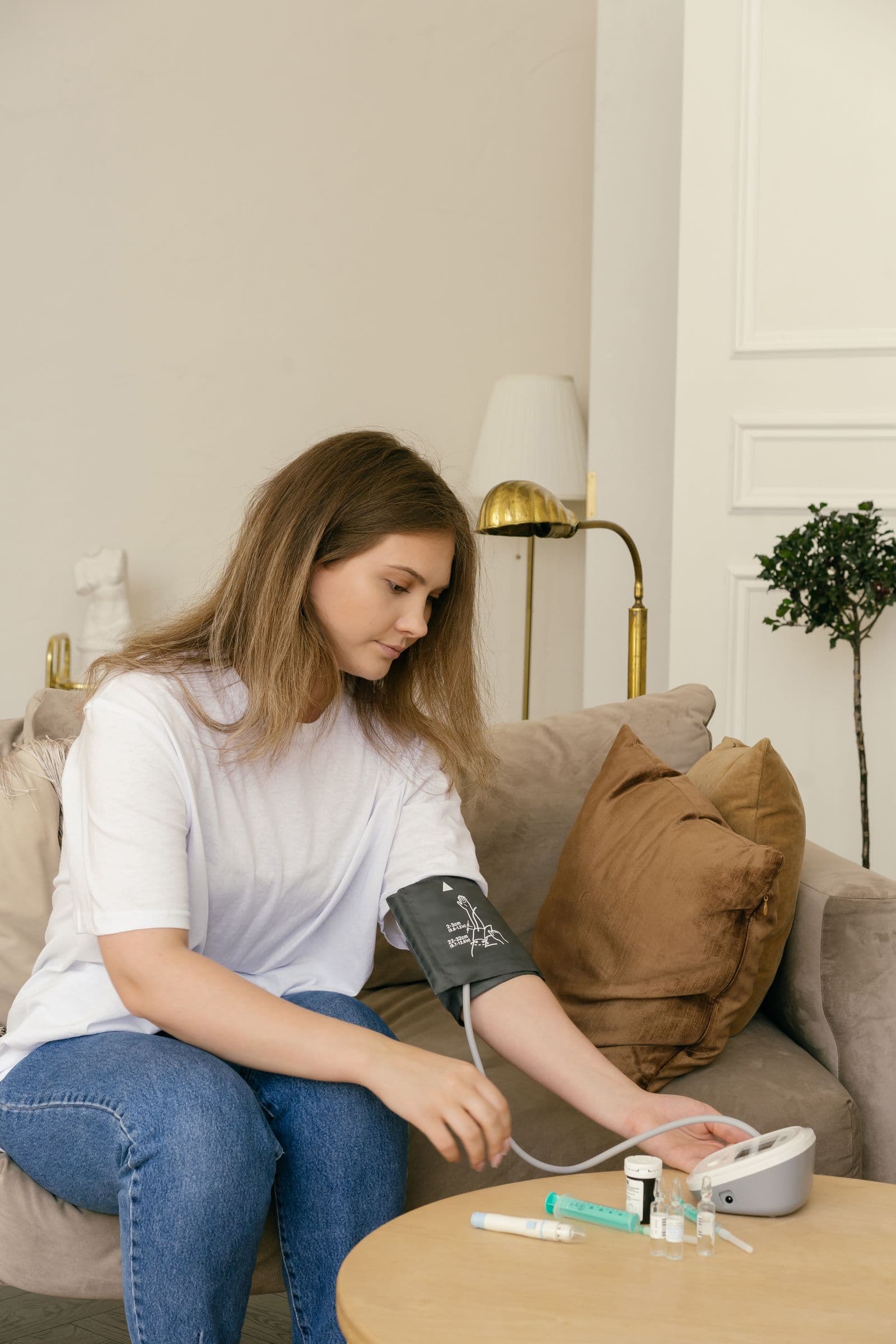

Why Home Blood Pressure Monitoring Matters
If you've ever had a blood pressure reading that felt alarmingly high in the office but seemed fine at home, you're not imagining things. The cuff on your arm at a doctor's visit tells only part of the story. A single clinic reading can miss two important patterns: white-coat hypertension, where pressure rises only in medical settings, and masked hypertension, where clinic readings look normal but pressures run high during the rest of your day. Both patterns matter, because the average of your home readings predicts heart attack, stroke, and kidney events more accurately than office readings alone.
That's why I ask nearly every patient with cardiovascular risk to invest in a reliable home monitor. Done correctly, it's one of the most powerful tools you have for protecting your heart. Done incorrectly, it can lead to either unnecessary medication or false reassurance. Let's walk through how to do it right.
Choosing the Right Cuff
Start here, because the device matters more than most people realize. Use an upper-arm cuff only. Wrist and finger monitors are convenient, but they're consistently less accurate and are not recommended for medical decision-making.
Look for a monitor that has been independently validated. The non-profit registry at validatebp.org lists devices that have passed rigorous accuracy testing.
Cuff size is critical. Measure the circumference of your upper arm at the midpoint between shoulder and elbow:
- 22-32 cm — standard adult cuff
- 32-42 cm — large adult cuff
- 42+ cm — extra-large cuff
A cuff that's too small will falsely elevate your reading by 10-15 points. A cuff that's too large will falsely lower it. If you're unsure, bring your monitor to your next visit and we'll check fit and calibration together.
The Right Technique
Evidence-based technique from the American Heart Association and the CDC is simple but often skipped:
- Sit quietly for 5 minutes before measuring — no phone, no TV news.
- Feet flat on the floor, legs uncrossed, back supported in a chair.
- Bare arm resting on a table, with the cuff at heart level.
- No talking during the measurement.
- Avoid caffeine, tobacco, and exercise for at least 30 minutes beforehand.
- Empty your bladder first — a full bladder can raise readings 10+ points.
Take two readings, one minute apart, and record both. Morning readings should be done before medications and before breakfast. Evening readings before dinner.
When and How Often
When we're establishing a diagnosis or adjusting medication, I ask patients to measure twice in the morning and twice in the evening for seven consecutive days. We discard day one and average the rest. That average — not any single reading — drives treatment decisions.
For ongoing monitoring once you're stable, 2-3 days per week is plenty. If you've recently started or changed a medication like lisinopril, losartan, amlodipine, or hydrochlorothiazide, we'll usually do a more intensive week of checks at 2-4 weeks to confirm the dose is working.
What Numbers to Aim For
Under current ACC/AHA guidelines, most adults target a home average below 130/80 mm Hg. Some patients — particularly those who are older or frail — may have individualized goals a bit higher to avoid dizziness and falls. Your target is a conversation, not a one-size-fits-all number. My detailed breakdown in controlling high blood pressure walks through how we set your personal goal.
Call 911 or go to the ER if you get a reading above 180/120 and you have symptoms — chest pain, shortness of breath, vision changes, severe headache, weakness, or trouble speaking. This is a hypertensive emergency, and it can mirror the early warning signs of a heart attack. A high number without symptoms is still urgent — retake after 5 minutes of rest, and call the office the same day.
Florida Heat, Humidity, and Your Readings
St. Petersburg's climate adds a wrinkle. In summer, your blood pressure often runs 5-10 points lower because heat dilates your vessels and you lose fluid through sweat. If you take a diuretic or combination pill, you may feel lightheaded standing up. I explore this in depth in St. Pete humidity, blood pressure, and heart health. In winter, expect a modest rise. Don't panic at seasonal shifts — bring the log, and we'll interpret it together.
Sharing the Data
A notebook works. So does a smartphone app that exports a PDF. What I need from you: the date, time, two systolic/diastolic readings, and a note about anything unusual — a bad night's sleep, a missed dose, new symptoms, chest tightness, or the leg swelling and breathlessness that can signal early heart failure. Patterns tell us far more than isolated numbers, especially for patients managing coronary artery disease.
The Bottom Line
Home blood pressure monitoring is the single best way to move beyond guesswork. A validated upper-arm cuff, five minutes of quiet preparation, and a simple log turns you into an active partner in your own cardiovascular care — and often lets us catch problems months or years before a clinic visit would.
If you'd like help choosing a monitor, verifying your technique, or interpreting readings you've already collected, schedule a visit and bring your cuff along. We'll calibrate, review your numbers, and build a plan that fits your life.


