
A Simple Blood Test That Can Prevent Liver Failure
One of the most underappreciated screening recommendations of the past decade applies to nearly every adult reading this page: get tested for hepatitis C once in your lifetime, regardless of how low you think your risk is.
More than 3 million Americans are living with chronic hepatitis C, and the majority don't know it. The virus rarely causes symptoms until it has been damaging the liver for 20 or 30 years — at which point we're often dealing with cirrhosis or liver cancer rather than a simple infection. That long silent phase is exactly why screening based on "do you have risk factors?" missed so many cases for so long.
Why Universal Screening Now
In 2020, the US Preventive Services Task Force issued a Grade B recommendation: screen all adults aged 18-79 at least once, whether or not they have risk factors. The CDC aligned its guidance the same year. Universal screening replaced risk-based screening because:
- Too many infected adults never reported a risk factor, or didn't remember one from decades earlier.
- The virus is curable — more on that below.
- Catching chronic hepatitis before cirrhosis dramatically changes the outcome.
The CDC's hepatitis C overview and CDC viral hepatitis page are excellent primers if you want to go deeper.
The Treatment Story Has Changed Completely
Until about 2014, hepatitis C treatment meant a year of interferon injections with miserable side effects and a cure rate below 50%. Today, treatment means 8 to 12 weeks of a once-daily oral pill (a direct-acting antiviral, or DAA), with cure rates above 95% and minimal side effects. We can often initiate and complete treatment in primary care when the disease is uncomplicated — no liver specialist needed — using a simple FIB-4 score from your routine bloodwork plus a genotype test.
Referral to hepatology is reserved for patients with advanced fibrosis or cirrhosis, HIV coinfection, prior treatment failure, or decompensated liver disease. My overview of blood work basics walks through the liver enzymes and platelet count that feed into FIB-4.
Who Should Be Screened More Often
One-time screening is the floor, not the ceiling. Some patients should be tested periodically — typically yearly or with any new exposure:
- Current or prior injection drug use, even once, decades ago
- HIV infection
- Hemodialysis
- Incarceration history
- Healthcare workers after needlestick or mucosal exposure
- Children born to HCV-positive mothers
- People who received a transfusion or transplant before 1992, or clotting factors before 1987
- Pregnancy — now screened every pregnancy
If any of these apply, tell us so we can fold the right cadence into your annual visit.
The Baby Boomer Reminder
Adults born between 1945 and 1965 carry a historically higher prevalence of hepatitis C — roughly five times that of other age groups — because of transfusions and medical practices before universal blood screening in 1992, and because of exposures that may be long forgotten. If you're in this cohort and have never been tested, this is the year. I cover this alongside other preventive tasks in healthy aging in St. Pete and the 2026 adult vaccine checklist.
The Testing Cascade
The workflow is designed to avoid confusion:
- Anti-HCV antibody test — a routine blood draw. If negative, you're done (unless ongoing risk).
- Reflex HCV RNA test — if antibody is positive, the lab automatically runs RNA on the same sample to determine whether infection is active (RNA detected) or cleared (antibody-positive, RNA undetectable).
- Genotype and FIB-4 — if RNA is positive, we order these to plan treatment.
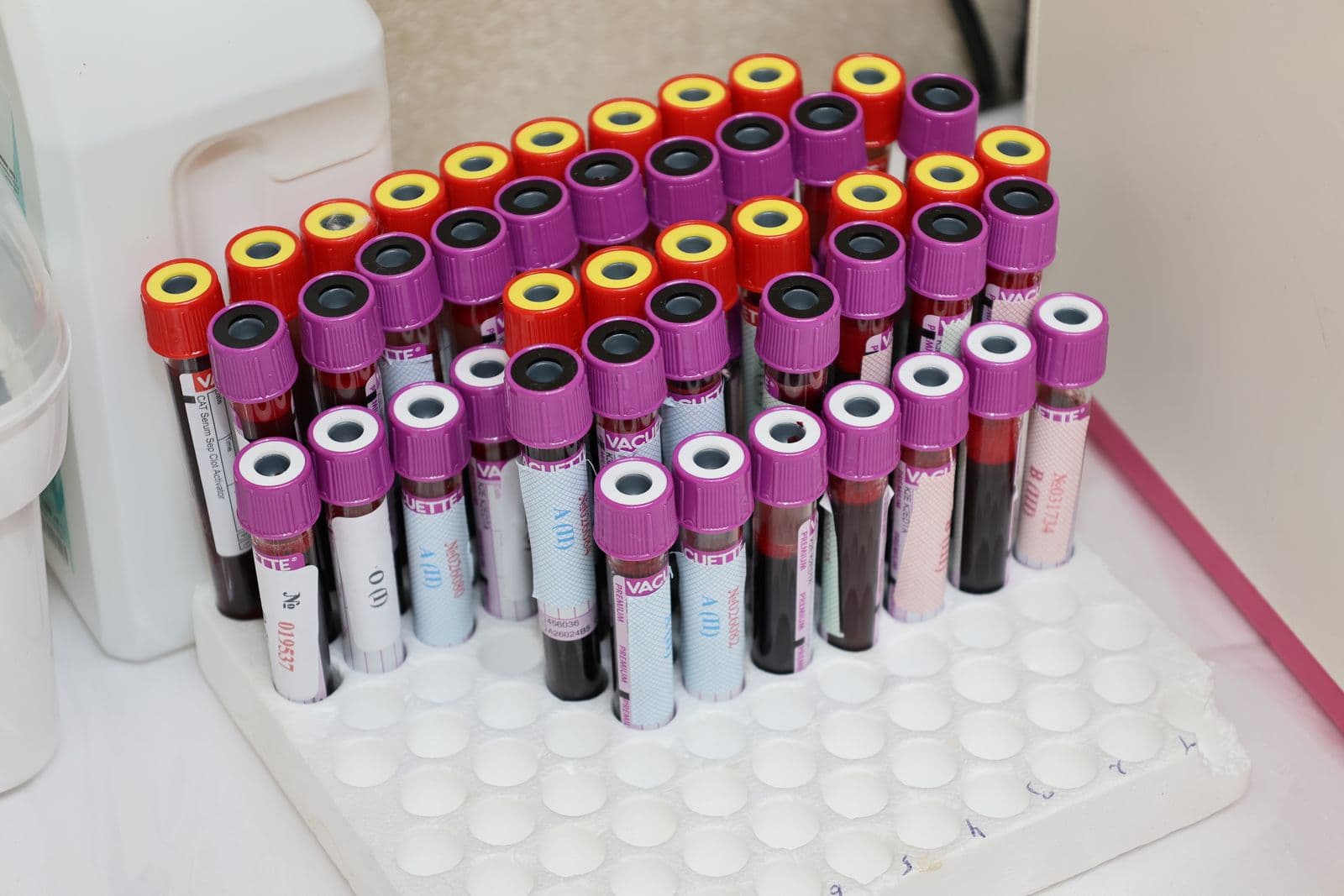
We can do the whole cascade in one draw. You'll find details on how we handle the blood draw itself at our lab visits page and in what to expect at your annual physical.
No Vaccine for HCV — But Vaccinate Against A and B
There is no vaccine for hepatitis C. If you test positive, we make sure you're protected against the other viral hepatitides by confirming or completing hepatitis A and hepatitis B vaccination. This matters because coinfection dramatically accelerates liver damage. The same principle applies if you have fatty liver disease or other chronic liver conditions — I explore these connections in NAFLD/MASLD: the silent fatty liver.
Harm Reduction and Prevention
For patients with current or recent injection drug use, prevention is also part of the care plan: not sharing needles or equipment, access to sterile supplies, medication-assisted treatment for opioid use disorder when needed, and support for any family history that raises your baseline risk. None of this is about judgment — it's about keeping your liver, and you, alive.
After a Positive Test: What the Next Few Months Look Like
A positive antibody result frightens people far more than the situation warrants today. This is the sequence I walk patients through, and most of it is reassuring.
Antibody positive does not mean infected
About a quarter of people who contract hepatitis C clear it on their own, and the antibody stays positive for life afterward as a footprint. That is why the reflex RNA test matters: antibody-positive with undetectable RNA means a past infection that is gone, no treatment, and no risk to others. Only a detectable RNA means active infection. The NIDDK's hepatitis C overview explains the distinction well, and I have had more than one patient who spent a sleepless week over a result that turned out to be the cleared kind.
Treatment in primary care, and what we check alongside it
For active infection without cirrhosis, we start the pill course from our office after the FIB-4, a hepatitis B check, and a review of your medication list, because a few common drugs interact with the antivirals. During treatment the main jobs are taking the pill daily, avoiding alcohol, and a blood test at the end; a final RNA test twelve weeks after the last dose confirms the cure. Alcohol deserves its own sentence: hepatitis C and drinking accelerate each other's damage, and an honest conversation about alcohol use disorder, if it applies, is part of the cure rather than a lecture beside it. MedlinePlus has a clear summary of the treatment course from the patient's side.
Cured does not always mean finished
If the FIB-4 or an elastography scan showed advanced scarring before treatment, the liver keeps some of that risk after the virus is gone. Anyone with cirrhosis continues liver cancer surveillance with ultrasound every six months indefinitely, and a screen for portal hypertension may be needed. Reinfection is possible with new exposure, so the annual RNA test continues for people with ongoing risk. Everyone else is genuinely done, and the gastrointestinal team sees only the cases with advanced disease. Our Local Vitals article on the silent fatty liver is worth reading afterward, since fatty liver is now the most common reason a cured patient's liver enzymes stay elevated.
What to Expect at the Visit
If you've never been screened, I'll add the antibody test to your next blood draw. If it's negative, we move on. If it's positive, we talk about what the RNA shows, what your liver actually looks like on labs, and — in most cases — how a short course of pills can cure it.
If you're not sure whether you've ever been tested, or if you know you're due, schedule a visit or message the office. A single lifetime test is one of the highest-value preventive steps you'll ever take — and if it catches something, we have the tools to fix it.


