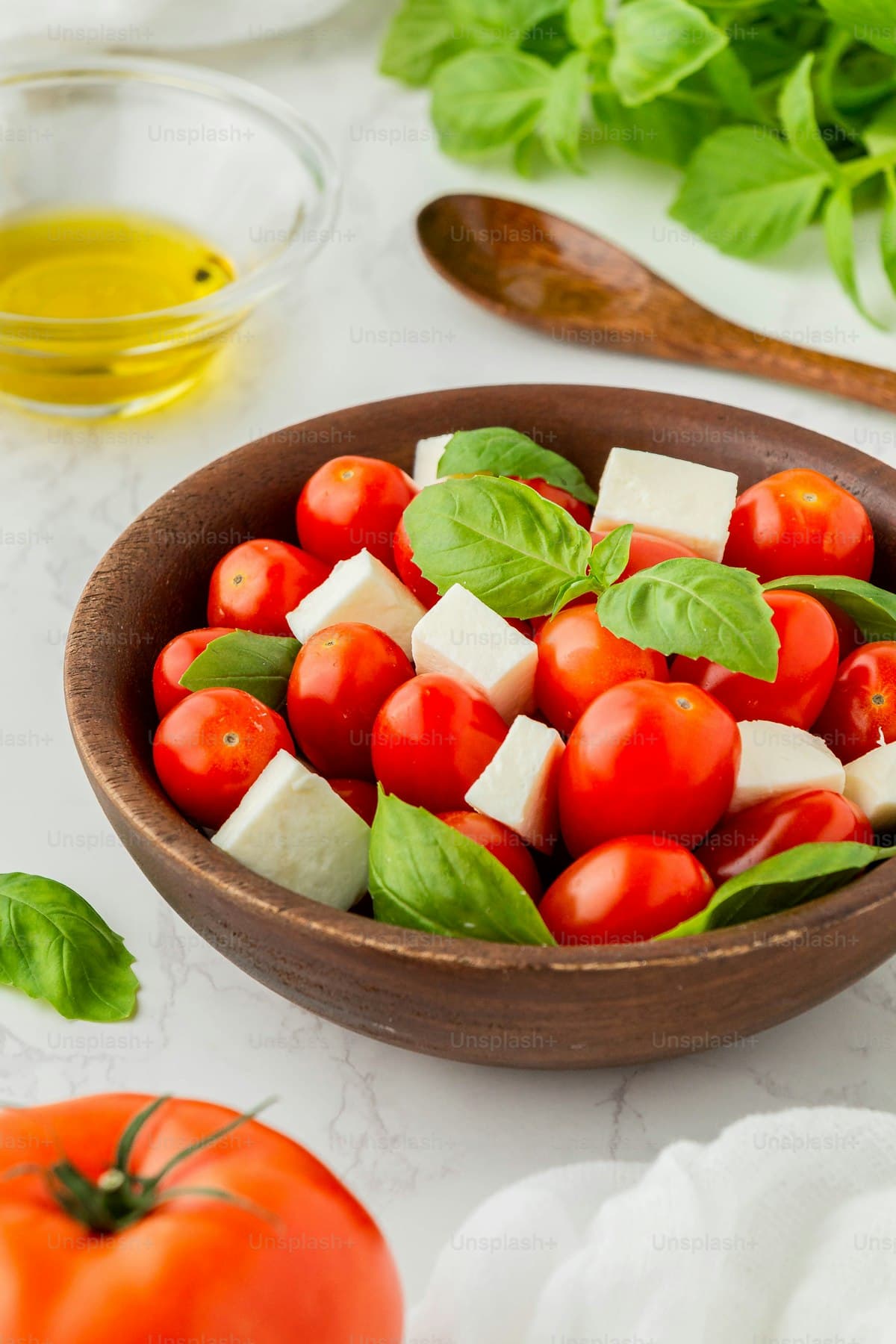

More Than Just a Diet
If your doctor has ever told you to eat a Mediterranean diet, you are in good company. It is one of the most frequently recommended dietary patterns in modern medicine, and for good reason. Unlike fad diets that restrict entire food groups or rely on supplements, the Mediterranean diet is a sustainable, evidence-based way of eating that has been associated with reduced risk of heart disease, stroke, diabetes, cancer, and cognitive decline.
At Zimmer Medical Group, we recommend the Mediterranean diet to many of our patients because it is flexible, enjoyable, and backed by decades of rigorous scientific research.
What Is the Mediterranean Diet?
The Mediterranean diet is inspired by the traditional eating habits of people living in countries bordering the Mediterranean Sea, particularly Greece, Italy, and Spain. It is not a strict set of rules but rather a pattern of eating that emphasizes:
- Abundant fruits and vegetables: The foundation of every meal, providing vitamins, minerals, fiber, and antioxidants.
- Whole grains: Bread, pasta, rice, and cereals made from whole grains rather than refined flour.
- Healthy fats: Extra virgin olive oil as the primary fat source, replacing butter and other saturated fats.
- Legumes, nuts, and seeds: Regular servings of beans, lentils, chickpeas, almonds, walnuts, and other plant-based proteins.
- Fish and seafood: At least two servings per week, providing omega-3 fatty acids.
- Moderate poultry, eggs, and dairy: Cheese and yogurt in moderate amounts, poultry preferred over red meat.
- Limited red meat and sweets: Red meat consumed only a few times per month, and sweets reserved for special occasions.
- Herbs and spices: Used generously for flavor instead of salt.
- Optional moderate red wine: One glass per day for women, up to two for men, with meals (not recommended for non-drinkers to start).
The Science Behind the Benefits
The Mediterranean diet is one of the most well-studied dietary patterns in the world. Here is what the research shows:
Heart Disease and Stroke
The landmark PREDIMED trial, published in the New England Journal of Medicine, found that a Mediterranean diet supplemented with extra virgin olive oil or nuts reduced the risk of major cardiovascular events by approximately 30 percent compared to a low-fat diet. This was one of the largest and most rigorous dietary intervention trials ever conducted.
Type 2 Diabetes
Studies have consistently shown that the Mediterranean diet improves insulin sensitivity, reduces fasting blood sugar, and lowers hemoglobin A1C levels. For patients with prediabetes, adopting this eating pattern can significantly reduce the risk of progressing to type 2 diabetes.
Cognitive Health
Research published in the Journal of the American Medical Association has linked the Mediterranean diet to slower rates of cognitive decline and reduced risk of Alzheimer disease. The diet's emphasis on omega-3 fatty acids, antioxidants, and anti-inflammatory compounds is thought to protect brain health over time.
Cancer Risk
While no diet can prevent cancer entirely, the Mediterranean diet has been associated with reduced risk of several cancers, including breast, colorectal, and prostate cancer. The high intake of fruits, vegetables, whole grains, and healthy fats provides compounds that may protect cells from damage.
Longevity
Large population studies have found that people who closely follow a Mediterranean diet live longer on average than those who follow a typical Western diet. The combination of cardiovascular protection, reduced inflammation, and better metabolic health likely contributes to this longevity benefit.
Practical Tips for Getting Started
Transitioning to a Mediterranean diet does not require an overnight overhaul of your eating habits. Here are practical steps to ease into it:
Start with Olive Oil
Replace butter, margarine, and vegetable oils with extra virgin olive oil for cooking and salad dressings. This single change significantly shifts your fat intake toward heart-healthy monounsaturated fats.
Add More Vegetables
Aim to fill half your plate with vegetables at every meal. Roasted vegetables, salads, vegetable soups, and stir-fries are easy ways to increase your intake.
Eat Fish Twice a Week
Salmon, sardines, mackerel, and trout are excellent sources of omega-3 fatty acids. Baked, grilled, or pan-seared preparations are ideal.
Choose Whole Grains
Switch from white bread, white rice, and regular pasta to whole grain versions. The fiber content helps regulate blood sugar and keeps you feeling full longer.
Snack on Nuts
A small handful of almonds, walnuts, or pistachios makes a satisfying snack that replaces processed options like chips or cookies.
Cook with Herbs and Spices
Basil, oregano, rosemary, garlic, turmeric, and cumin add tremendous flavor without the sodium that comes with processed seasonings and sauces.
Limit Red Meat
Reduce red meat to a few times per month and replace it with fish, chicken, beans, or lentils. When you do eat red meat, choose lean cuts and keep portions small.
Adapting the Mediterranean Diet to Your Conditions
The pattern is the same for everyone, but the emphasis shifts depending on what we are treating, and a few of my patients need one part of it adjusted.
With high cholesterol or a statin
For hypercholesterolemia, the parts of the diet that move LDL are the swap from butter and fatty meat to olive oil and nuts, the soluble fiber in beans and oats, and the near-absence of processed snacks. Expect a modest LDL reduction from diet alone; the diet does not replace atorvastatin or rosuvastatin in someone whose risk calls for one, but it lowers the dose that is needed and improves triglycerides and HDL in ways a statin does not. The USPSTF recommends dietary counseling for exactly this group.
With diabetes or prediabetes
For diabetes and impaired fasting glucose, the whole grains and pasta at the center of the traditional diet need portion attention. The fix is not to abandon them but to keep servings small, pair them with the vegetables, olive oil, and protein that slow absorption, and lean on legumes, which raise glucose far less than bread or rice. The pattern improves A1C on its own and pairs well with metformin. The NIDDK's guide to healthy living with diabetes covers the carbohydrate side in more detail.
With high blood pressure, kidney disease, or gout
The Mediterranean and DASH patterns overlap almost entirely for hypertension; the difference is that DASH restricts sodium explicitly, so watch the feta, olives, and cured fish. In chronic kidney disease, the potassium in the fruit, vegetables, and beans may need limiting at later stages, which is a conversation with us rather than a reason to avoid the diet. In gout, sardines, anchovies, and shellfish are high in purines, and a patient prone to flares does better with salmon, poultry, and legumes. On the Gulf Coast the seafood question also includes mercury: grouper and king mackerel carry more, while shrimp, mullet, and smaller fish carry little. MedlinePlus has a simple weekly outline, and our companion article on the Mediterranean diet as a heart-healthy eating plan turns it into a shopping list.
A Sustainable Approach to Eating
One of the greatest strengths of the Mediterranean diet is its sustainability. Unlike restrictive diets that leave people feeling deprived, the Mediterranean diet includes a wide variety of flavorful foods. Patients who adopt it tend to stick with it long term, which is ultimately what matters most for health outcomes.
Your care team can help you tailor the Mediterranean diet to your individual health needs, food preferences, and budget.
Want personalized nutrition guidance? Contact Zimmer Medical Group to discuss how dietary changes can support your health goals. Small changes in how you eat can make a big difference in how you feel.


