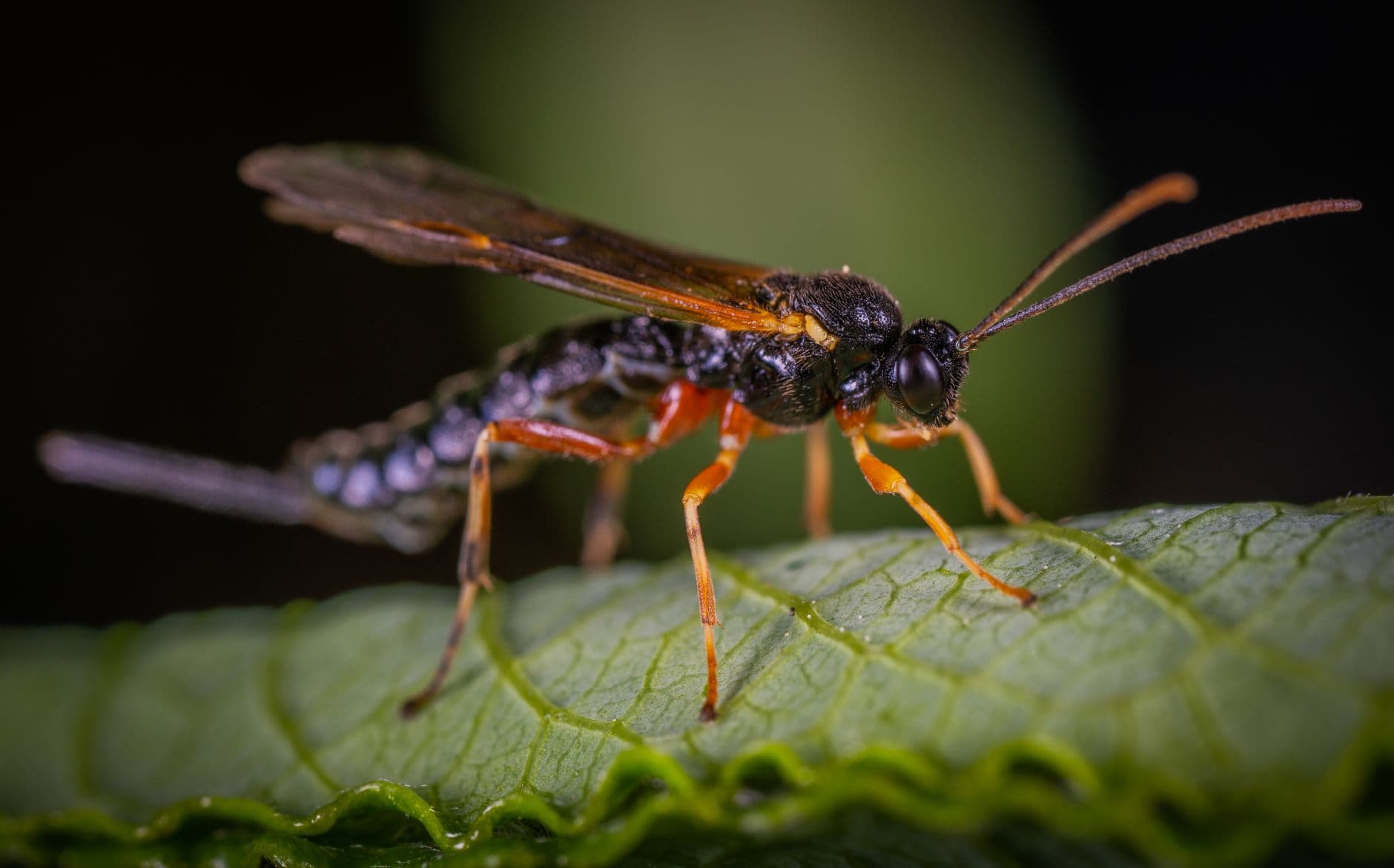

Telling a Normal Sting From a Fire Ant Sting Allergic Reaction
Nearly every sting hurts, swells, and itches. That is venom chemistry, not allergy. A true fire ant sting allergic reaction is something different: the immune system responds to the venom in a way that involves the whole body rather than the spot where you were stung.
The distinction matters because the two sit at opposite ends of the urgency scale. A local reaction is ice, an antihistamine, and patience. A systemic reaction is epinephrine and 911, in that order.
In Pinellas County this is not a seasonal question. Imported fire ants build mounds in nearly every lawn, park, and ballfield here, and fresh mounds surface after every heavy rain. Yellow jackets and paper wasps stay active through most of our mild winter, so stings arrive year-round. Marine stings behave differently and are covered in our stingray and beach sting guide.
Anaphylaxis: The Signs That Mean Call 911 Now
Anaphylaxis is a rapid, whole-body allergic reaction. After a sting it usually begins within minutes and almost always within the first hour. Any one of these, by itself, is enough to act on:
- Hives, flushing, or itching away from the sting site, especially on the palms, scalp, or groin
- Swelling of the lips, tongue, or throat, or a voice that sounds thick or hoarse
- Trouble breathing, wheezing, chest tightness, or a persistent cough
- Dizziness, fainting, or a sudden sense of impending doom
- Vomiting, cramping abdominal pain, or sudden diarrhea following a sting
What to do, in order:
- Use an epinephrine auto-injector into the outer thigh immediately if one is available. It works through clothing.
- Call 911. Every anaphylactic reaction needs evaluation, including one that appears to be improving.
- Lay the person flat with legs raised, unless they are struggling to breathe or vomiting.
- Be prepared to give a second dose if symptoms persist or return before help arrives.
Antihistamines such as cetirizine treat hives and itching. They do not treat anaphylaxis, they act far too slowly, and they must never be used in place of epinephrine. Symptoms can also return hours after the first wave settles, which is why observation is part of the treatment. Cleveland Clinic keeps a clear patient page on recognizing this pattern.
Large Local Reactions: Alarming, and Usually Not Allergy
Some people develop swelling far larger than the sting itself — a whole forearm, an ankle that no longer fits a shoe. This is a large local reaction. It peaks a day or two after the sting and fades over roughly a week.
It looks dramatic, but it is local inflammation rather than systemic allergy, and on its own it does not mean the next sting will be dangerous. Treatment is ice, elevation, a daily oral antihistamine, and a topical steroid on intact skin. When swelling crosses a joint or limits the use of a hand or foot, we sometimes add a short course of oral corticosteroids such as prednisone.
What we do not do is order venom allergy testing on the strength of a large local reaction alone. In someone who has never had a systemic reaction, that testing usually produces confusion rather than answers.
First Aid for Fire Ant Stings and Those White Pustules
Fire ants grip with their jaws and sting repeatedly in an arc, which is why the marks come in clusters or rings. Within about a day each site forms a small sterile pustule. That pustule is the characteristic, expected reaction, not an infection.
- Brush the ants off dry. Water and swatting do not dislodge them well.
- Wash the area with soap and water.
- Apply a cold pack over the first several hours and elevate a swelling limb.
- Take an oral antihistamine for the itch and use a topical steroid on the surrounding skin.
- Leave the pustules alone. Do not pop them. Scratching them open is the single most common path to a secondary skin infection.
If your skin is already irritated by eczema or another dermatitis, expect more itching and be more deliberate about keeping nails short and the area covered.
Wasps, Yellow Jackets, and Honeybees: What Changes
- Honeybees leave the stinger and venom sac behind. Remove it fast by any method — speed matters far more than technique.
- Yellow jackets, hornets, and paper wasps leave no stinger and can sting repeatedly. They nest in eaves, grills, wall voids, and ground holes, and they are drawn to sweet drinks and meat at cookouts.
- Fire ants sting repeatedly, and disturbing a mound brings hundreds at once. A large number of simultaneous stings can cause illness from venom load alone, entirely separate from allergy.
Prevention is more effective than it sounds: closed shoes and socks outdoors, a look at the ground before you kneel to garden, lidded drink containers outside, and slow movement rather than swatting when a wasp is near. Our Florida gardener's checklist covers the rest of the yard-work risks.
When a Sting Site Becomes Infected Days Later
Redness and swelling over the first 48 hours are expected. Infection runs the other direction — better, then worse.
Come in if you see:
- Redness that expands after the third day rather than shrinking
- Increasing warmth, tenderness, or drainage of pus beyond a single pustule
- A red streak running from the site toward the body
- Fever or chills
Cellulitis after a scratched fire ant pustule is one of the more common skin infection visits we see in the summer, and it responds well to oral antibiotics when it is caught early.
Who Should Carry Epinephrine, and Who Should Consider Venom Immunotherapy
Anyone who has had a systemic reaction to a sting should carry two epinephrine auto-injectors, know how to use them, and check the expiration dates each spring. Household members and coworkers should know where they are kept.
Venom immunotherapy — a series of allergist-administered injections of purified venom — is one of the most effective treatments in allergy medicine. For adults who have had a systemic sting reaction and test positive to the relevant venom, it substantially reduces the risk of a serious reaction to a future sting. If a past sting caused symptoms beyond the sting site, that referral conversation is worth having.
Recurrent welts with no clear sting are a different problem entirely; start with our overview of hives and urticaria. The Centers for Disease Control and Prevention and MedlinePlus both maintain plain-language pages on insect stings worth bookmarking before summer.
Stings in Older Adults and Anyone on Heart Medication
The same sting is a different event at 75 than at 25, and the medication list changes the picture more than most people realize.
Blood pressure pills change how a reaction behaves
Beta blockers such as metoprolol can make a severe allergic reaction harder to treat, because they blunt the response to epinephrine, and ACE inhibitors such as lisinopril are associated with more severe sting reactions in people with venom allergy. Neither is a reason to stop a heart medication on your own, but if you have ever had a systemic reaction to a sting, we want to know about both drugs so the plan can account for them. Anyone on a blood thinner should also expect more bruising and swelling around a sting and should watch the site more closely.
Diabetes, feet, and the sting that becomes a wound
A fire ant attack on the foot of someone with diabetes and reduced sensation is a wound-care problem waiting to happen. Pustules scratched open on a foot with poor circulation can turn into cellulitis or an ulcer within days. Wear closed shoes for yard work, check your feet that evening, and follow the steps in our diabetic foot care guide at the first sign of redness that is spreading rather than fading.
Hurricane season brings the ants to you
After heavy rain or storm surge, fire ant colonies float as living rafts and cling to anything they touch, including legs wading through a flooded yard. The result is dozens of stings at once, a venom load that can cause illness on its own in an older adult with heart or lung disease. Wear boots and gloves during cleanup, brush ants off dry, and treat a large number of stings as a reason to call rather than wait. Our hurricane season health preparedness article covers the rest of post-storm safety, and our immunology team handles venom allergy referral. MedlinePlus and the NIAID anaphylaxis page are worth reading before summer.
When to Come In
Call 911 for any breathing difficulty, throat tightness, faintness, or hives spreading away from the sting.
Call us, or come in the same day, for:
- More than a handful of stings at once, particularly in an older adult or someone with heart or lung disease
- A large local reaction limiting the use of a hand, foot, or eye
- A sting on the face, inside the mouth, or near the eye
- Signs of infection appearing after the second or third day
- Any past sting reaction that involved more than the sting site, so we can arrange testing and an epinephrine prescription
Stung more than once this summer? Schedule a visit with Zimmer Medical Group to review whether you should be carrying epinephrine.


