
When "Just Eat More Fiber" Isn't Enough
If you have been told for years that your constipation is simply a matter of drinking more water and eating more fiber, you are not alone. For many people, those basics do solve the problem. But for a meaningful minority, chronic constipation is a medical condition with identifiable causes and targeted treatments, and it deserves a real workup rather than another bag of prunes.
The formal definition physicians use comes from the Rome IV criteria. Constipation qualifies as chronic when, for at least three months, you have experienced two or more of the following: fewer than three bowel movements per week, straining more than a quarter of the time, hard or lumpy stools, a sensation of incomplete evacuation, a feeling of anorectal blockage, or the need to use manual maneuvers to pass stool. If any of that sounds familiar, this article is for you.
Who Just Needs Lifestyle Changes, and Who Needs More
A healthy adult with occasional sluggish bowels who drinks little water, sits at a desk all day, and eats a low-fiber diet often improves dramatically with simple changes: 25 to 35 grams of fiber daily, adequate fluids, and regular physical activity. A short trial of these measures is reasonable before doing anything else.
However, certain features should prompt a prompt evaluation rather than a stool softener. These red flags include new-onset constipation after age 50, blood in the stool, unintentional weight loss, iron deficiency anemia, a family history of colon cancer or inflammatory bowel disease, and severe abdominal pain. In these situations a colonoscopy is usually warranted, and you can read more about screening approaches in our guide to colon cancer screening options beyond colonoscopy. The American College of Gastroenterology outlines these alarm symptoms clearly.
The Causes People Miss
Before we reach for medications, it is worth asking what is driving the problem. Medications you already take are a frequent culprit. Opioids are the most obvious offender, but anticholinergics, calcium channel blockers used for blood pressure, iron supplements, and calcium tablets all slow transit.
Metabolic and endocrine disease matters too. Hypothyroidism classically slows everything down, including the gut. Hypercalcemia and poorly controlled diabetes can both blunt colonic motility through effects on autonomic nerves. A simple panel of thyroid function, calcium, and glucose is often all that is needed to sort this out, and we cover what those numbers mean in understanding your blood work.
Two Very Different Functional Patterns
When structural and metabolic causes have been excluded, functional constipation generally falls into two subtypes, and they are treated very differently.
- Slow transit constipation means the colon itself moves stool through too slowly. These patients often feel little urge to defecate and may go many days without sensation.
- Pelvic floor dysfunction, also called dyssynergic defecation, is a coordination problem. The muscles that should relax during a bowel movement instead contract. Patients describe straining, a sense of blockage at the anus, and the need to use manual pressure. This is best treated with pelvic floor physical therapy and biofeedback, not laxatives.
The distinction matters. Pouring more laxatives on a pelvic floor problem rarely fixes it, and many patients spend years frustrated before the right diagnosis is made. This is often the same population struggling with irritable bowel syndrome, and our IBS vs IBD explainer walks through how these overlap.
A Step-Up Approach to Medications
For true functional constipation, over-the-counter treatments are a reasonable starting point. Osmotic laxatives are usually the safest long-term option, and polyethylene glycol is my preferred first choice for most adults. Stimulant laxatives work but are better reserved for rescue rather than daily maintenance. Docusate, despite its popularity, has weak evidence behind it.
When over-the-counter options are not enough, prescription agents are available. Lubiprostone, linaclotide, and plecanatide each work by increasing intestinal fluid secretion, while prucalopride is a motility agent. For opioid-induced constipation, specific peripherally acting agents such as methylnaltrexone may be indicated. The NIDDK overview of constipation is a good patient-facing resource if you want to read further.
When to See a Gastroenterologist
Referral to GI is appropriate when red flags are present, when symptoms persist despite reasonable trials of first- and second-line therapy, when dyssynergic defecation is suspected and anorectal manometry is needed, or when screening for colon polyps is overdue. How your gut functions day to day really does influence the rest of your health, as we discussed in how your digestive health impacts everything.
The Habits That Help Before, and Alongside, the Prescription
Medication works better on top of a few mechanics that nobody teaches, and in our patient population the Florida climate and the medicine cabinet add a couple of twists.
Timing and posture
The colon is most active in the half hour after breakfast, so sitting on the toilet then, unhurried, even without an urge, trains a reflex that many people have spent years ignoring. A small footstool that raises the knees above the hips straightens the angle of the rectum and reduces straining, which also protects against hemorrhoids and the fissures we describe in our hemorrhoids versus anal fissure article. Never hold a bowel movement because the timing is inconvenient; the urge fades and the stool hardens.
Fiber done right
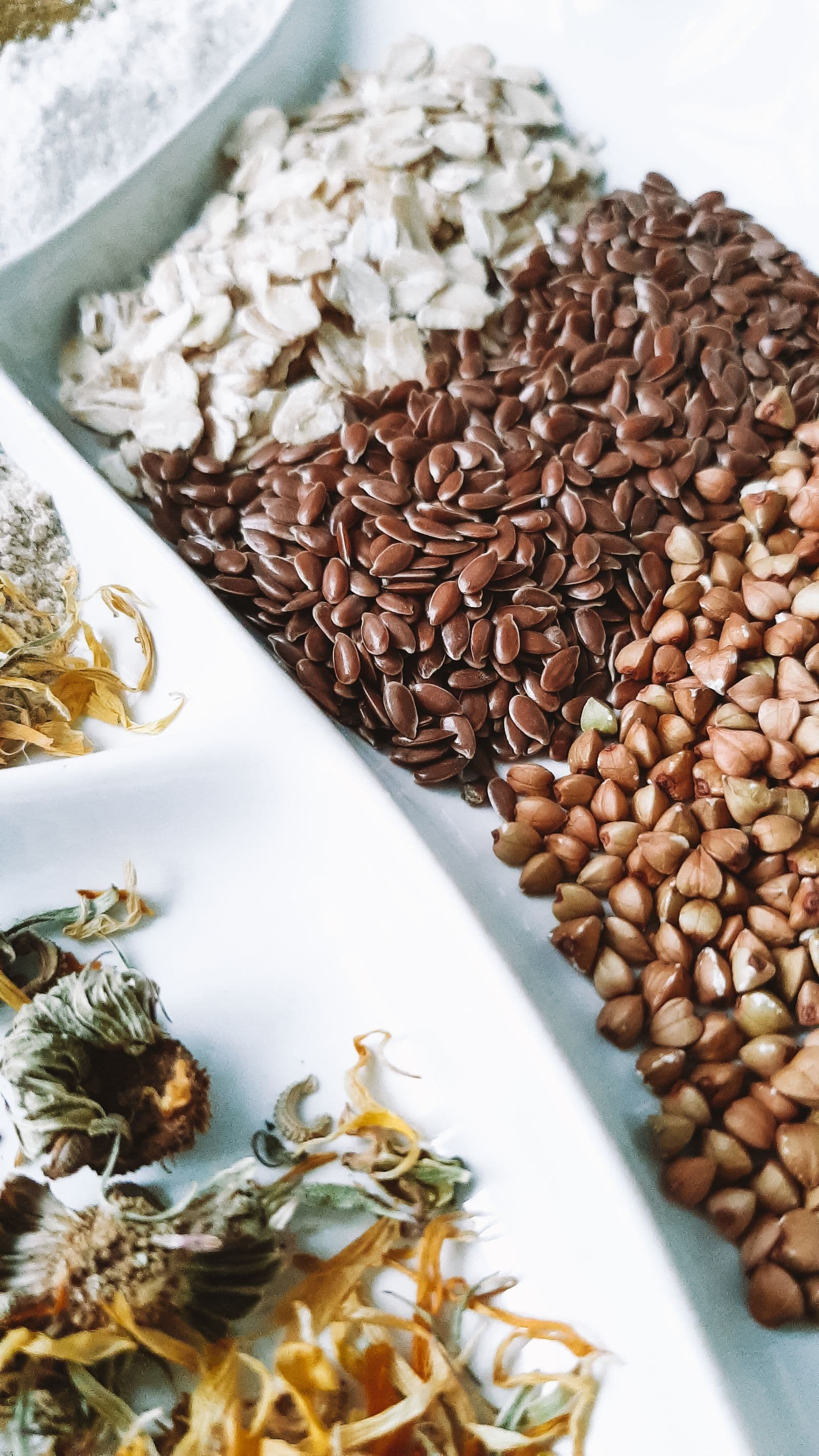
Fiber fails most often because it is added too fast, too dry, or in the wrong form. Soluble fiber such as psyllium, increased over two to three weeks and taken with a full glass of water, helps most people; bran added abruptly produces gas and bloating and gets abandoned. Fiber without fluid makes constipation worse, which matters here, where a summer of sweating leaves many older adults quietly behind on water, as our hydration guide explains.
The supplements and pills on the counter
Calcium tablets, iron supplements, and daily antacids are the over-the-counter items most often responsible, and so is the occasional opioid such as oxycodone after a procedure, which can stop the bowels within a day. New constipation in someone with a tremor or a slowing gait can also be an early sign of Parkinson's disease, which affects the gut years before it affects movement. Our gastrointestinal team handles the anorectal testing when a pelvic floor problem is suspected. MedlinePlus and the NIDDK guide to eating for constipation are worth reading alongside this article.
A Better Plan, Not Just More Fiber
Chronic constipation is not a personality trait, and it is not something you need to accept because a quick office visit once concluded you "just need more fiber." With a careful history, a targeted medication review, a few basic labs, and a thoughtful step-up approach, most patients see substantial improvement.
If you have been struggling for months or years and nothing seems to help, I would like to take a careful look. Schedule a visit and we will build a plan that actually fits the cause of your symptoms rather than guessing at it.


