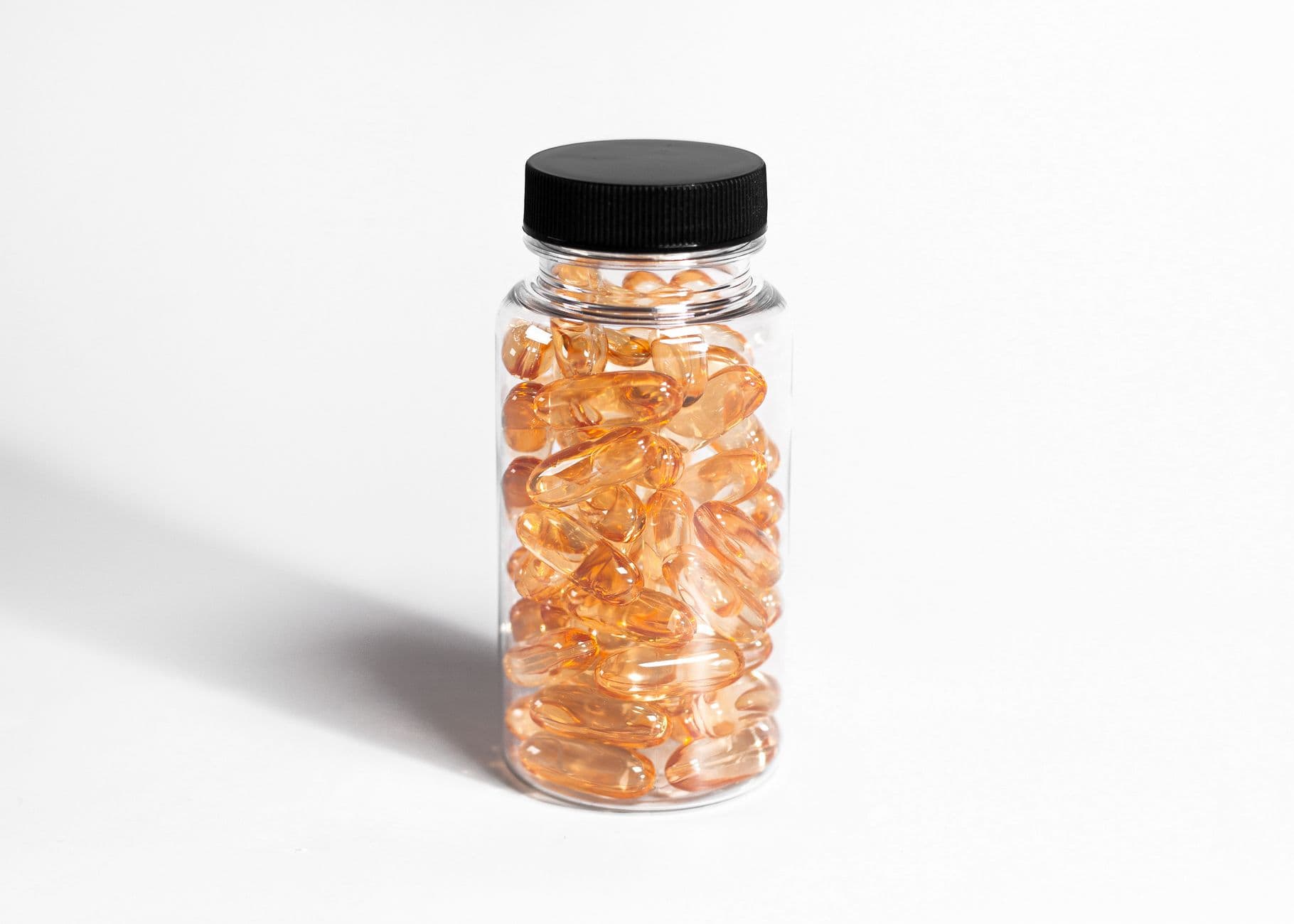

Why We Ask About Every Bottle on Your Counter
Most people file a multivitamin, a fish oil capsule, or an herbal sleep blend somewhere separate from real medicine. The liver does not make that distinction. The same enzyme systems that clear prescription drugs also handle many botanicals, and that shared machinery is where most of the trouble begins.
Supplements that interact with medications are not rare or exotic. A short list of common products accounts for the large majority of problems we see in the office, and nearly all of those problems are preventable once we know what is sitting in your cabinet.
So bring everything to your visit: prescription bottles, vitamins, powders, gummies, protein blends, and whatever a friend recommended last month. We would far rather spend two minutes reading a label than two months chasing a lab value that will not behave.
St. John's Wort Is the Most Disruptive Supplement on the Shelf
If we could quietly remove one product from our patients' cabinets, it would be St. John's wort. Sold for low mood, it is a strong inducer of the liver enzymes that clear a long list of prescriptions, which means it steadily drags down the blood level of drugs you depend on.
Medicines it can undercut or destabilize include:
- Antidepressants — paired with an SSRI such as sertraline, it also raises the risk of serotonin syndrome, which is a genuine emergency
- Blood thinners — a lower drug level means less protection against clot and stroke
- Hormonal contraceptives — reduced effectiveness, and unintended pregnancy
- Transplant anti-rejection drugs, several HIV and hepatitis C regimens, and some cancer therapies — where a drop in level can mean outright treatment failure
Stopping it abruptly matters just as much, because the affected drug can then swing the other way. Tell us before you start or stop St. John's wort, not afterward.
Vitamin K, Fish Oil, and Blood Thinners
Consistency Beats Avoidance
Patients on warfarin are often told to avoid greens entirely. That is the wrong instruction. Warfarin works by blocking vitamin K, so what destabilizes your INR is a swing in intake, not the intake itself. A steady serving of spinach or kale every day is far easier to dose around than a salad binge every third week.
Where we do push back is on vitamin K supplements and on multivitamins that contain vitamin K, because those are usually taken inconsistently. If you have atrial fibrillation and take an anticoagulant, any change in a supplement deserves a mention before the next INR check.
Things That Quietly Add Bleeding Risk
Fish oil, vitamin E, ginkgo, high-dose garlic, and turmeric-curcumin products all nudge platelet function. None of them are dangerous alone. Stacked on top of an anticoagulant or an antiplatelet drug, and often on top of an over-the-counter anti-inflammatory as well, they add up. Easy bruising or bleeding gums after starting a new supplement is worth a phone call.
Calcium, Iron, and Magnesium Block Absorption
Some of the most consequential interactions are not chemical duels in the bloodstream. They happen in the stomach, where minerals bind a drug and escort it out before it is ever absorbed.
Thyroid hormone is the classic example. Calcium, iron, and magnesium supplements can substantially reduce absorption of levothyroxine, which is why a patient with well-controlled hypothyroidism can suddenly look undertreated on labs after adding a bone-health supplement. The fix is separation, not avoidance: take thyroid hormone on an empty stomach and put several hours between it and any mineral.
The same binding problem affects certain antibiotics, including the tetracycline and fluoroquinolone families, and some osteoporosis medications. When we say to space a dose apart from dairy, antacids, or a multivitamin, that instruction is the entire treatment.
Potassium, Licorice, and Blood Pressure Medications
Potassium is where well-intentioned supplementation causes real harm. ACE inhibitors, ARBs, and potassium-sparing diuretics all raise potassium on their own. Add a potassium supplement, or a salt substitute made from potassium chloride, and levels can climb into a range that disturbs heart rhythm without producing any warning symptoms.
Licorice root works in the opposite direction. Real licorice extract, the kind found in some herbal digestive and cough products, can drive potassium down and blood pressure up. Patients occasionally arrive with newly uncontrolled hypertension that resolves when a daily herbal tea is stopped.
If you take a blood pressure medication, treat any potassium product, salt substitute, or licorice-containing supplement as a prescription-level decision and run it by us first.
Grapefruit Is Not a Supplement, but It Belongs Here
Grapefruit and grapefruit juice block an intestinal enzyme that normally breaks down drugs before they reach the bloodstream. Blocking it means more drug gets through than the prescribed amount was meant to deliver.
The list of affected medicines is long and includes some statins, several calcium channel blockers, certain immunosuppressants, and some anti-anxiety and rhythm drugs. Not every drug in a class behaves the same way. Atorvastatin is affected modestly, while other statins are affected more, and still others not at all, which is one reason we sometimes switch a patient being treated for high cholesterol to a different agent rather than asking them to give up breakfast.
The U.S. Food and Drug Administration maintains plain-language guidance on grapefruit and medicines. Seville oranges and pomelos behave the same way; ordinary oranges do not.
How to Make Your Medication List Actually Complete
- Include everything you swallow, chew, or drink for health. Vitamins, herbals, probiotics, protein powders, greens powders, and mushroom blends all count.
- Photograph the labels. The supplement facts panel tells us far more than a brand name does, especially for proprietary blends.
- Flag biotin before a blood draw. Hair-and-nail supplements do not interact with drugs, but high-dose biotin can distort thyroid and cardiac lab assays and produce alarming, entirely false results.
- Watch for hidden duplicates. Red yeast rice contains a natural statin, so taking it alongside a prescribed statin is doubling up.
- Update the list at every visit, including the ones you stopped. A supplement you quit last month can explain a lab that shifted this month.
Supplements deserve the same scrutiny as prescriptions, which is exactly the argument we make in our guide to the risks of taking too many medications. MedlinePlus publishes readable monographs on individual herbs if you want to check something before you buy it.
When to Call Us
Contact the office promptly if you notice any of the following after starting or stopping a supplement:
- Unusual bruising, nosebleeds, bleeding gums, or blood in stool or urine while on a blood thinner
- An INR that jumps or drops without a change in your prescription
- New palpitations, muscle weakness, or a slow pulse while on a blood pressure medication
- Thyroid symptoms returning — fatigue, weight change, cold intolerance — despite an unchanged dose
- New muscle aches on a statin, particularly if you also drink grapefruit juice
- Agitation, sweating, tremor, or confusion after combining an herbal product with an antidepressant, which needs same-day evaluation
Seek emergency care for chest pain, fainting, one-sided weakness, difficulty speaking, or bleeding that will not stop. Before your next visit, our article on why skipping doses matters is a useful companion, and the National Institute on Aging offers a printable medication-list template.
Not sure whether your supplements and prescriptions belong together? Contact Zimmer Medical Group and bring every bottle — we will sort it out in one visit.


