
Diverticulosis, Diverticulitis, and a Lot of Outdated Advice
If you have ever been told to swear off nuts, seeds, and popcorn for the rest of your life because of a pouch or two in your colon, you have encountered one of the most enduring myths in gastroenterology. The science behind diverticular disease has evolved considerably over the past decade, and the advice you received even ten years ago may no longer reflect best practice.
Let us start with an important distinction. Diverticulosis refers simply to the presence of small outpouchings, or diverticula, in the wall of the colon. It is extraordinarily common, found in more than half of adults over age 60, and the vast majority of people who have it will never develop symptoms. Diverticulitis, by contrast, is inflammation or infection of one or more of those pouches, and that is the condition that can cause real trouble.
The Nut, Seed, and Popcorn Myth
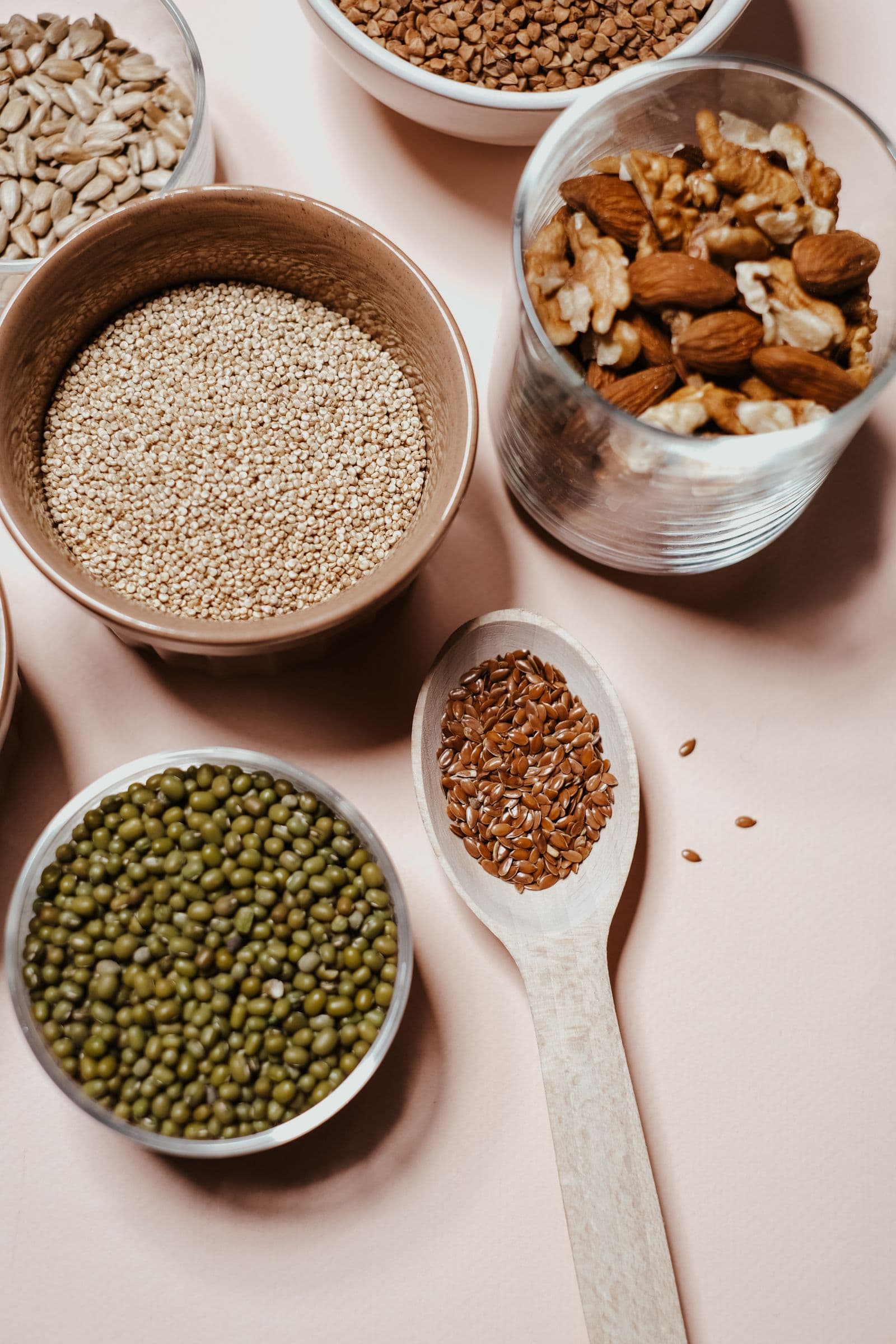
For decades, patients were told that small, hard foods could lodge in a diverticulum and trigger inflammation. It was a reasonable-sounding theory that turned out to be wrong. Large prospective studies, most notably from the Health Professionals Follow-up Study, have shown no increased risk of diverticulitis or bleeding from eating nuts, seeds, or popcorn. In fact, nut consumption was associated with slightly lower risk. You can eat them.
What does the current evidence support for prevention? A high-fiber diet is probably protective, although it is not a cure. Regular physical activity, maintaining a lean body weight, and avoiding smoking all appear to lower risk. The MedlinePlus summary on diverticular disease and the ACG patient guide both reflect this updated view.
A Bigger Shift: Antibiotics Are Not Always Needed
The most significant change in modern care concerns acute uncomplicated diverticulitis. Historically, every patient with left lower quadrant pain, fever, and a suggestive CT was prescribed antibiotics, often a combination such as ciprofloxacin with metronidazole, or amoxicillin-clavulanate as monotherapy.
High-quality randomized trials over the past decade have shown that in carefully selected outpatients with mild, uncomplicated disease, withholding antibiotics does not increase complications, recurrence, or the need for surgery. Both the 2020 American Gastroenterological Association guidance and the American College of Gastroenterology now endorse selective, rather than universal, antibiotic use.
That said, antibiotics are still clearly indicated for:
- Complicated diverticulitis with abscess, perforation, fistula, or obstruction
- Immunocompromised patients
- Patients with sepsis or systemic toxicity
- Many patients with diabetes, frailty, or advanced age
- Those who fail a short observation period
This is a place where clinical judgment matters, and it is not a decision to make from a symptom checker.
How Diverticulitis Actually Presents
The classic picture is persistent left lower quadrant abdominal pain, low-grade fever, and an elevated white blood cell count. Bowel habits may change in either direction, and some patients have nausea or urinary symptoms when an inflamed segment lies near the bladder. A CT scan of the abdomen and pelvis with contrast is the gold standard for diagnosis and, importantly, for grading severity.
The differential is worth thinking about carefully. Irritable bowel syndrome can mimic milder attacks, and inflammatory bowel disease such as Crohn's disease or ulcerative colitis can look similar on first presentation. Our IBS vs IBD guide helps sort these out.
Complications and When Surgery Is Needed
Most episodes resolve with conservative care, but a minority develop complications: a walled-off abscess, free perforation, a fistula to the bladder or vagina, stricture with obstruction, or significant bleeding. Each of these changes the treatment path, sometimes urgently.
The indications for elective surgery have also narrowed. In the past, two or three uncomplicated episodes often triggered an automatic colon resection. Current guidance is more individualized, weighing symptom burden, quality of life, complication history, and patient preference. Recurrent episodes alone are no longer an automatic indication for surgery. The MedlinePlus diverticular disease overview summarizes this well.
After an Episode: What Actually Helps
Once the acute attack resolves, a colonoscopy is typically recommended 6 to 8 weeks later, particularly for a first episode, to confirm the diagnosis and exclude other pathology such as a mass. You can read more about the options in our piece on colon cancer screening beyond colonoscopy. Longer-term, the advice is refreshingly simple: eat a high-fiber diet, move your body most days, maintain a lean weight, do not smoke, and do not live in fear of popcorn. Your overall gut health matters more than any single food rule, as we discussed in how your digestive health impacts everything.
Eating and Recovering After an Attack
The evidence has moved on the big questions, and it has also moved on the small ones. What you eat in the week after an attack, and how you handle pain at home, are where most patients want practical direction.
The first week: liquids, then stepping back up
During an acute attack of diverticulitis, we usually start with clear liquids for a couple of days to rest the colon, then advance to low-fiber foods as pain and fever settle, then return to a regular high-fiber diet over the following weeks. The clear-liquid phase is short by design; staying on it for a week does not help and leaves you weak and dehydrated. MedlinePlus's discharge instructions for diverticulitis lay out the same progression. If symptoms are not clearly improving in two to three days on that plan, that is a reason to call rather than to wait it out.
Building fiber back without setting off symptoms
Going from a low-fiber recovery diet to a high-fiber goal in one weekend produces gas, bloating, and a lot of unnecessary worry about a recurrence. Add fiber gradually over several weeks, increase fluids alongside it, and spread it across meals rather than loading one. Soluble fiber from oats, beans, and psyllium is usually better tolerated at first than a pile of raw vegetables. If chronic constipation is part of your picture, treating it is part of preventing the next attack, and if cramping and irregularity persist between episodes, irritable bowel syndrome may be coexisting. NIDDK's eating and nutrition guidance for diverticular disease is a good reference for the specifics.
Pain control at home, and when to call
For pain during recovery, acetaminophen is the preferred option. Regular use of NSAIDs such as ibuprofen and naproxen is associated with a higher risk of diverticular complications including perforation and bleeding, so I steer patients away from them here, and opioids slow the colon in a way that rarely helps. Call us the same day for a fever climbing rather than falling, pain that becomes severe or spreads across the abdomen, vomiting that prevents you from keeping fluids down, an inability to pass gas or stool, or significant rectal bleeding. Those are the features that separate a routine recovery from one that needs imaging.
Getting the Right Care
Diverticular disease is common, but the right plan depends on your specific presentation, comorbidities, and prior history. If you have had an episode of diverticulitis, are experiencing recurrent left-sided pain, or simply want to understand your risk, schedule a visit and we will build a plan grounded in current evidence rather than outdated dogma.


