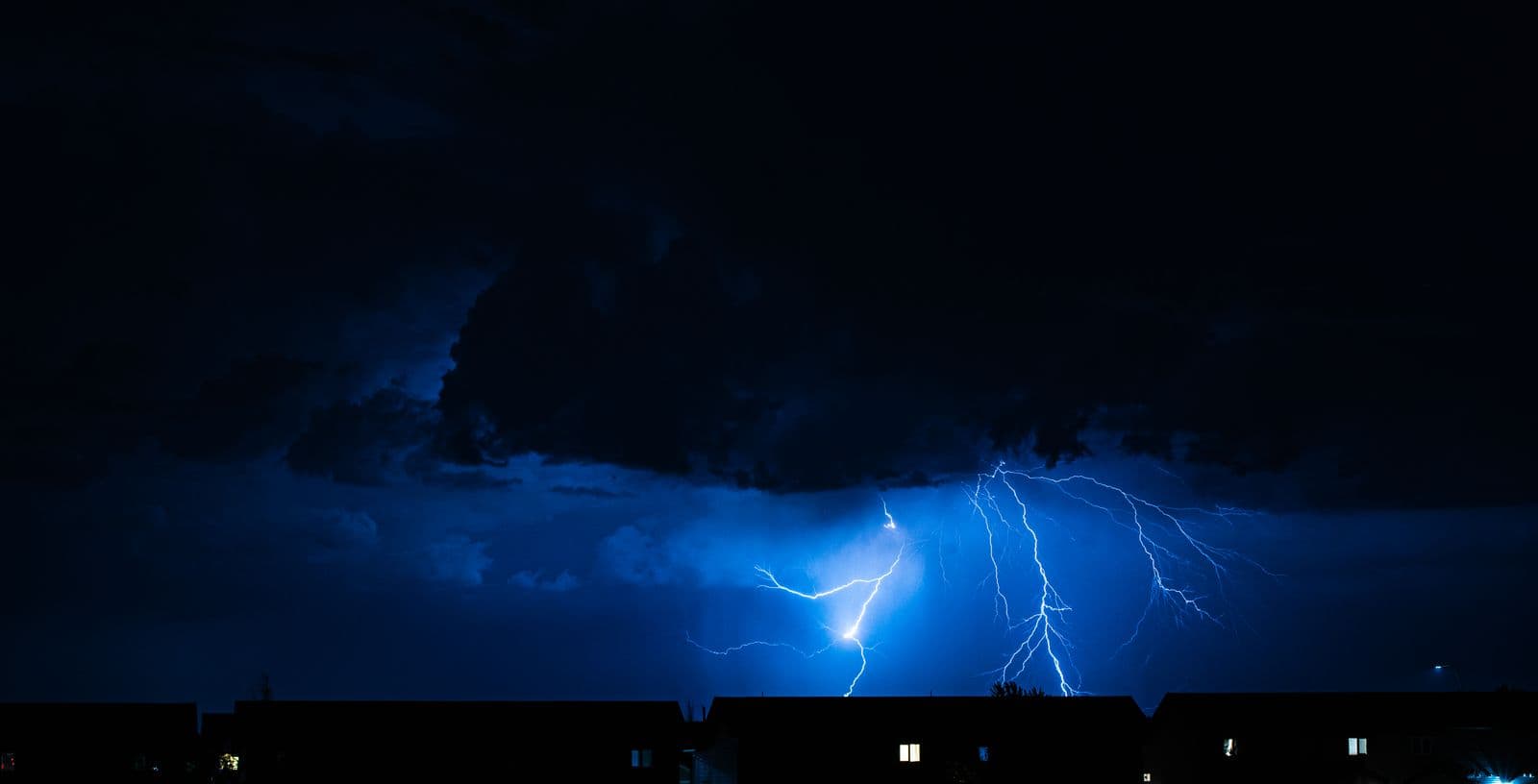

Why Florida Takes Lightning So Seriously
Florida leads the nation in cloud-to-ground lightning strikes per square mile, and the Tampa Bay area sits near the heart of what meteorologists call "Lightning Alley." From late May through September, an almost daily pattern of sea-breeze collisions builds towering thunderstorms by early afternoon. For active St. Petersburg residents — cyclists on the Pinellas Trail, pickleball players at North Shore, boaters heading out of the Municipal Marina — lightning is not a rare hazard. It is something to plan around every week.
The National Weather Service reports that Florida records more lightning deaths and injuries than any other state. Most strike victims are not hit during the heaviest part of the storm; they are hit at the beginning or the end, when the sky still looks manageable. That is the single most important idea to carry with you on the trail.
The 30/30 Rule
We teach every patient who exercises outside a simple two-part rule:
- Seek shelter when the time between a flash of lightning and the following thunder is 30 seconds or less. That means the storm is within about six miles — close enough for the next strike to reach you.
- Wait 30 minutes after the last rumble of thunder before going back outside. More than half of lightning fatalities happen after the rain has stopped.
If you can hear thunder at all, you are within striking distance. The NOAA National Severe Storms Laboratory has documented strikes more than 10 miles from the parent storm — so "blue sky" is not a guarantee of safety.
What Actually Counts as Shelter
This is where people get hurt. A dugout at the ballfield is not shelter. A picnic pavilion is not shelter. A golf cart, a bus stop, and your tent at Fort De Soto are not shelter. Real shelter is:
- A substantial, fully enclosed building with wiring and plumbing that can carry current to ground
- A hard-topped metal vehicle with the windows up (the metal frame — not the rubber tires — is what protects you)
Once inside a building, stay off corded phones, avoid the shower, and step away from windows and exterior walls. In a car, avoid touching metal components and the steering wheel during active lightning.
Planning Your Workout Around the Storm Pattern
Summer storms in Pinellas County follow a rhythm you can use to your advantage.
- Before 10 a.m. is almost always the safest window from June through September.
- 10 a.m. to 1 p.m. is usually safe but check the radar.
- 1 to 8 p.m. is the high-risk window almost every day.
- Overnight can bring squall lines, especially during tropical activity.
The local National Weather Service Tampa Bay office publishes an excellent daily forecast graphic that shows the expected storm window. Make it part of your morning routine, right alongside the coffee.
Our Pinellas Trail cycling guide and our 30-day walking challenge both build in earlier start times for exactly this reason. Morning pickleball, early tee times, and sunrise paddles are not just cooler — they are measurably safer.
A note for golfers and boaters
Golf courses and open water are two of the most dangerous places to be in a thunderstorm. The grip of a club, the mast of a boat, and an open fairway each offer a path to ground. Our golf injury prevention and boating safety guides both emphasize turning around early. If you are on the water, head for the dock at the first flash — do not wait for the 30/30 threshold, because your return trip takes time.
If You Are Caught Out in the Open
Despite everyone's best planning, sometimes a storm builds faster than the forecast. If you cannot reach a building or hard-top vehicle:
- Leave high ground immediately. Get off ridgelines, beach dunes, and bridges.
- Avoid tall isolated trees, metal fences, flag poles, and power lines.
- Get off the water and away from the shoreline — out of pools, off paddleboards, out of kayaks.
- Spread your group out by at least 20 feet so a single strike cannot injure everyone.
- If you feel your hair stand up or hear crackling, assume a strike is imminent. Crouch in the lightning position: feet together, heels touching, squatting low with hands covering your ears and head down. Do not lie flat — you want as little of yourself as possible touching the ground.
After a Strike: Quick First Aid
People struck by lightning do not carry an electrical charge. It is safe to touch them immediately. The CDC's lightning safety page gives a clear sequence:
- Call 911.
- If the person is not breathing or has no pulse, begin CPR right away. Lightning typically kills by stopping the heart, and prompt CPR saves lives.
- Move the victim only if they are in continuing danger (still on open water, near live wires). Otherwise treat for burns and shock while you wait for EMS.
- Even survivors who "seem fine" need a medical evaluation for cardiac rhythm changes, eardrum injury, and neurologic symptoms that can emerge hours later.
What Lightning Injury Does to the Body, and Who Should Plan Extra Carefully
The injuries survivors carry home
Most people struck by lightning survive, and the lasting problems are usually not burns. The National Weather Service describes the typical pattern: ruptured eardrums leading to hearing loss and tinnitus, nerve damage that behaves like a peripheral neuropathy, memory and concentration problems, chronic pain, and sleep disturbance. Cataracts can develop months after a strike, so a survivor needs an eye exam even without eye complaints. Post-traumatic stress disorder is common and treatable, and it is often the symptom nobody mentions at the follow-up visit. If you or a training partner has ever been struck or been close to a strike, tell your primary care doctor so those checks are scheduled.
Heart conditions, pacemakers, and the storm-season rush
The hour before a summer storm is often the hottest and most humid of the day, and people trying to squeeze a workout in before the rain push hard in the worst conditions. For patients with coronary artery disease, atrial fibrillation, or a pacemaker, that combination of heat stress and hurry is a bigger daily risk than the lightning itself. A pacemaker or defibrillator does not attract lightning, but any strike survivor with a device needs it interrogated afterward. Plan the workout for the early morning window instead of racing the radar, and read our outdoor exercise in Florida heat guide for the humidity side of the same afternoon.
What to do while you wait for the storm to pass
The 30-minute wait after the last thunder is dead time most people spend badly. Use it to rehydrate, stretch in the car or garage, and check the radar for the next cell, since Pinellas storms often come in trains. If you are training for an event, keep a short indoor alternative ready so a storm does not turn into a skipped day. The NWS lightning safety tips page covers indoor precautions, including staying off corded phones and out of the shower until the storm has cleared. Our primary care team can help build a training plan that works around both the heat and the storm calendar.
Building a Weekly Habit
The difference between a close call and a tragedy on the Pinellas Trail is almost always preparation, not luck. Check the forecast the night before. Start early. Carry a charged phone. Turn around when thunder rolls. Teach kids the 30/30 rule the same way you teach them to look both ways.
Schedule a visit with Zimmer Medical Group in St. Petersburg, FL to review your cardiovascular risk, CPR refresher options, and how to build a safe year-round outdoor training plan. You can request a visit here.


