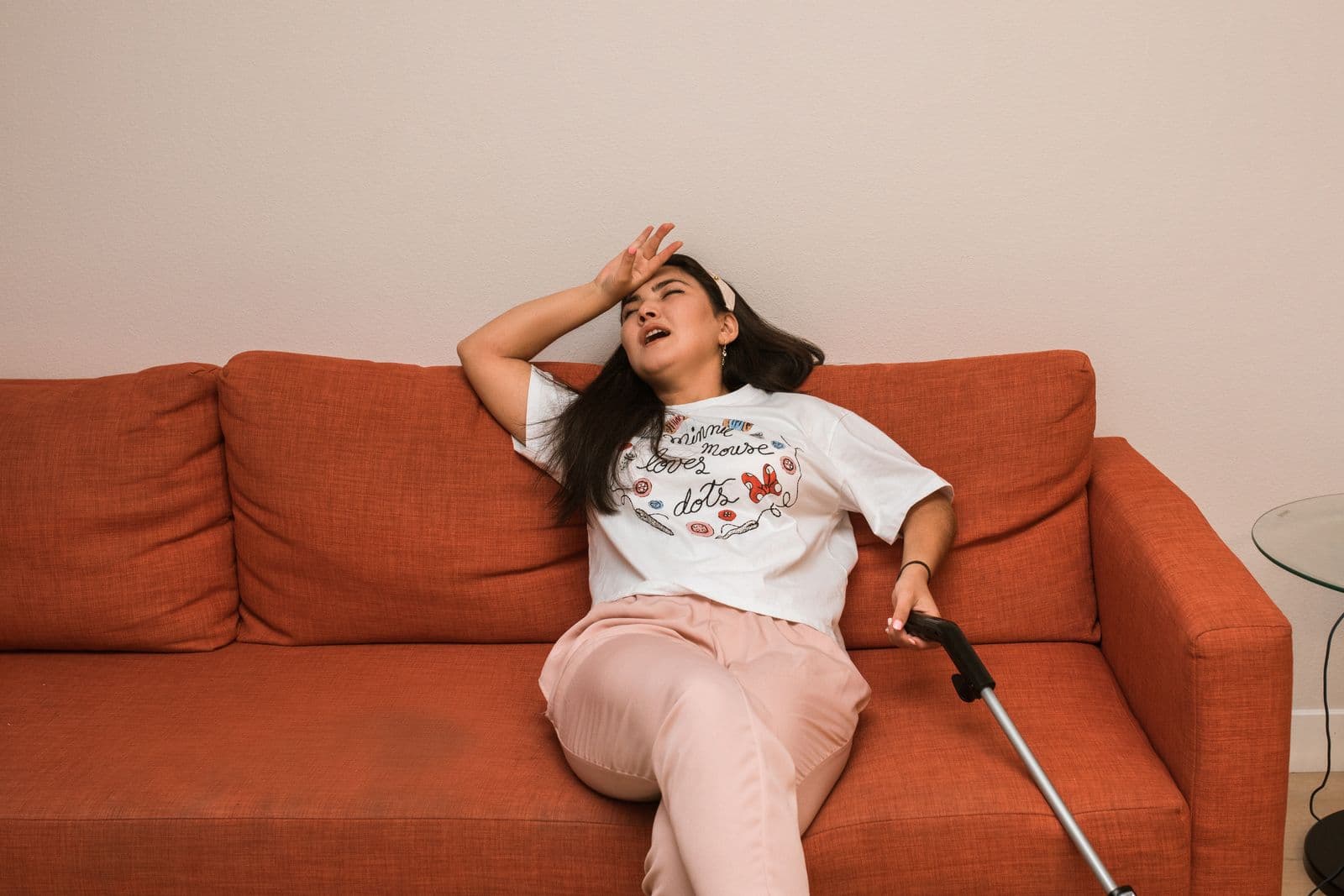

If you never quite got back to yourself after a COVID infection, a bad flu, or mono — and you have been told "your labs look fine, it is probably stress" — you are not imagining things, and you are not alone. Post-viral syndromes are real, increasingly well-characterized, and in 2026 we have far better tools than we did even two years ago. Here is an honest, evidence-based look at what we know, what we do not, and what actually helps.
What we mean by Long COVID and post-viral fatigue
The working definition is symptoms that persist or newly develop more than 4–12 weeks after an acute viral infection and cannot be explained by another diagnosis. This pattern existed long before COVID — it is well-documented after mononucleosis, influenza, Lyme disease, and other viral illnesses, and overlaps significantly with myalgic encephalomyelitis/chronic fatigue syndrome. The CDC's ME/CFS overview captures many of the same features we now see in Long COVID.
Symptom clusters tend to fall into several overlapping domains:
- Fatigue with post-exertional malaise (PEM) — the hallmark: a disproportionate crash 24–72 hours after physical, cognitive, or emotional exertion
- Brain fog — word-finding, working memory, slowed processing
- Dysautonomia — rapid heart rate on standing, lightheadedness, temperature dysregulation (POTS pattern)
- Cardiopulmonary — breathlessness, chest tightness, palpitations
- Pain — headaches, muscle pain, joint pain, neuropathic burning
- Mood and sleep — anxiety, depression, unrefreshing sleep
What 2026 evidence has clarified
The NIH RECOVER initiative and the CDC's long-term effects resource have collectively moved the field from "mystery illness" to a more mechanistic picture. Current leading hypotheses, each supported by converging data:
- Immune dysregulation and persistent inflammation, sometimes with viral protein or RNA reservoirs in tissue
- Microvascular clotting and endothelial dysfunction, contributing to fatigue and exercise intolerance
- Autonomic nervous system dysfunction, driving POTS-like presentations
- Mitochondrial and metabolic changes affecting energy production during exertion
These mechanisms are not mutually exclusive. Most patients show features of more than one. Our companion guide on chronic inflammation and disease offers helpful context on how persistent inflammation affects the whole body.
The evaluation: rule out treatable mimics first
Before attributing new symptoms to a post-viral syndrome, we look hard for the conditions that are straightforward to treat and frequently missed:
- Thyroid disease (TSH, free T4)
- Iron deficiency, B12 deficiency, vitamin D deficiency
- Anemia
- Sleep apnea — commonly unmasked by a viral illness
- Cardiac causes of breathlessness — an ECG and sometimes an echocardiogram or Holter monitor
- Depression and anxiety — which can be cause, consequence, or both
- Diabetes, liver or kidney dysfunction
A thorough baseline visit often uncovers at least one contributing factor that is genuinely fixable.
Pacing: the single most important strategy
This is the key pivot from a typical "just push through and recondition" approach: in post-viral illness with PEM, pushing often makes things worse, sometimes for weeks. The evidence-based approach is pacing — also called staying within your energy envelope.
Practical rules:
- Identify the amount of activity you can do on a good day without triggering a crash 24–72 hours later. That is your current envelope.
- Stay consistently below it, even on days you feel better.
- Build in scheduled rest before symptoms flare, not after.
- Add activity only in very small increments (5–10% at a time) and hold each level for weeks, not days.
- Track symptoms for 72 hours after any new activity — that is when PEM typically shows up.
Graded exercise therapy, applied rigidly, has worsened outcomes for some patients and is no longer recommended as a one-size-fits-all prescription. A pacing-based rehabilitation approach is safer.
Symptom-targeted treatment
There is no single cure yet, but plenty of real, evidence-based tools:
- For POTS and autonomic symptoms: increased salt (3–5g daily if blood pressure allows), 2–3 L of fluid daily, compression stockings, low-dose beta-blocker or ivabradine in selected patients
- For brain fog: sleep optimization, treating sleep apnea if present, cognitive pacing, addressing mood
- For pain: gentle movement within the envelope, low-dose medications where appropriate; our guide on managing chronic pain without opioids walks through options. Patients with overlapping features of fibromyalgia or chronic headaches often benefit from a coordinated plan.
- For mood and sleep: CBT for coping with chronic illness, SSRI/SNRI when clinically indicated, attention to the stress-body loop — see how stress affects your body and our St. Pete mental health and anxiety guide
- Emerging therapies: low-dose naltrexone has shown promise in small studies for fatigue and brain fog
Prevention of reinfection remains relevant — understanding the overlap and differences between cold, flu, COVID, and RSV helps you make smart decisions during viral season.
When to refer
- Cardiology for syncope, uncontrolled palpitations, or abnormal cardiac testing
- Pulmonology for persistent breathlessness, desaturation, or abnormal imaging
- Neurology for severe cognitive impairment or neurologic deficits
- Neuro-rehab or physical therapy experienced in post-viral syndromes for structured pacing programs
You are not making this up
If a previous clinician made you feel dismissed, that is not a reflection of the science — it is a reflection of how quickly the evidence has moved. In 2026 we have a framework, a growing toolbox, and — importantly — the patience to work through it carefully.
What Recovery Usually Looks Like, and What Sets It Back
Most people with a post-viral syndrome improve over months, not weeks, and the course is rarely a straight line. Knowing the common setbacks ahead of time makes them easier to ride out.
The Florida-specific triggers
Heat is a bigger problem here than in most of the country. Dysautonomia makes it harder to regulate temperature and blood pressure, so a July afternoon that a healthy neighbor shrugs off can produce a crash that lasts days. Plan outdoor activity for early morning, hydrate before you feel thirsty, and read our guide to heat exhaustion versus heat stroke so you know the warning signs. Reinfection is the other common setback; staying current on vaccines, covered in our adult vaccine checklist, lowers that risk. Our condition page on COVID-19 and long COVID covers prevention in more detail.
How this overlaps with ME/CFS and POTS
When symptoms persist beyond six months with post-exertional malaise and unrefreshing sleep, many patients meet criteria for chronic fatigue syndrome (ME/CFS), and the CDC's guidance on managing ME/CFS applies directly: pacing first, then symptom-by-symptom treatment. The NINDS ME/CFS overview explains the current research picture. If standing up reliably sends your heart racing, our article on POTS and the NINDS POTS page describe the testing and the practical measures that help. We also screen for obstructive sleep apnea, which a viral illness often unmasks and which treatment can genuinely fix.
Work, documentation, and being taken seriously
Many of my patients need a letter for an employer, a reduced schedule, or short-term disability paperwork, and I would rather write it early than after a forced return to full duty triggers a relapse. Keep a simple daily log of activity and symptoms; it makes the documentation accurate and it shows us, visit by visit, whether the envelope is widening. Our pulmonary and cardiovascular teams coordinate the testing when breathlessness or palpitations need more than an office evaluation.
Let's build your plan
Post-viral recovery benefits enormously from a primary care physician who knows you, tracks your trajectory, and coordinates specialists when they are needed. Schedule a visit and we'll do a thorough baseline together and map out the next steps.


