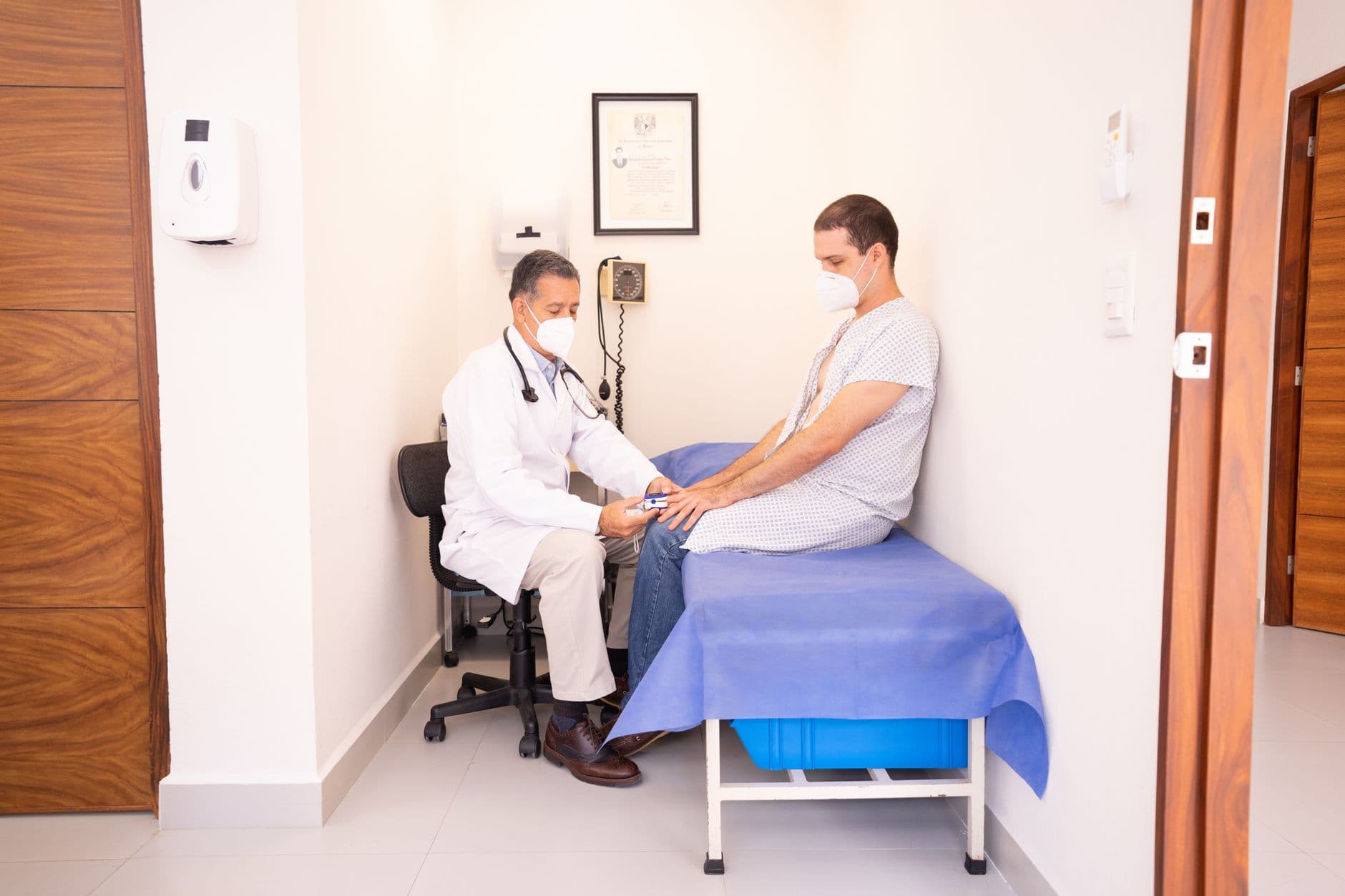

A good share of the people who spend an afternoon at urgent care with a sinus infection, a urinary infection or the first two days of the flu could have been seen by their own doctor. They just didn't call, or they called at the end of the day when every slot was gone.
Your primary care office is usually the better place for an ordinary illness. We know your history, your medications and your allergies, and we can follow up. The trick is knowing how to get in quickly. Here's how it works at our practice, and at most primary care offices.
Call Early, and Call Us First
If you wake up sick, call as soon as the office opens. We're open Monday through Thursday from 8:00 AM to 5:00 PM, and Friday from 8:00 AM to 12:00 PM, and we make every effort to fit in same-day appointments for urgent problems. Those openings go to the people who ask for them first.
Two habits make this harder than it needs to be. The first is waiting to see whether you're better by the afternoon. By then the day is booked, and if you're worse, the choice has narrowed to urgent care. The second is sending an urgent problem through the patient portal. Portal messages are ideal for refills and questions, as our guide to getting the most from your patient portal explains, but they aren't read the instant they arrive. If you need to be seen, pick up the phone.
If you're not sure whether your problem belongs with us, urgent care or the emergency room, our guide to choosing between primary care, urgent care and the ER walks through it.
What to Say When You Call
A few details help our staff decide how quickly you need to be seen and what kind of visit to book.
Lead with the symptom and how long it has been going on
"Burning with urination since yesterday" or "fever and body aches that started this morning" tells us far more than "I'm not feeling well." Mention anything that is getting worse quickly.
Mention the conditions that raise the stakes
Tell us if you have diabetes, heart disease, heart failure, COPD, asthma or a weakened immune system, or if you're taking medication that suppresses it. The same cough means something different for a healthy 40-year-old than for someone with COPD.
Have your numbers and your list ready
If you've taken your temperature, checked your blood pressure or measured your blood sugar, give us the readings. Tell us what you've already taken for the symptoms and whether you've started anything new recently.
Problems Worth a Same-Day or Next-Day Call
Some illnesses have a time window, which means waiting a few days to see how it goes costs you something.
- Flu-like illness in the first day or two. Flu antivirals such as oseltamivir work best when started within one to two days after symptoms begin, according to the CDC's antiviral guidance, and they require a prescription. That matters most for people with asthma, chronic lung disease, diabetes or heart disease.
- Symptoms of a urinary tract infection. Burning, urgency and frequency deserve a prompt visit and usually a urine test, as MedlinePlus explains. Fever, back or side pain, or vomiting alongside them needs to be seen the same day.
- A red, warm, spreading patch of skin. That can be cellulitis, which should be looked at before it spreads further.
- A flare of a chronic lung problem. If you're reaching for your rescue inhaler far more than usual, call.
- A fever that isn't coming down, or any fever in someone with a weakened immune system. MedlinePlus lists when a fever needs a call to your provider.
- Blood sugars running high while you're sick, if you have diabetes.
When Telehealth Is Enough, and When It Isn't
We offer telehealth to established patients for certain kinds of visits, including follow-ups, medication management and going over test results. Many acute illnesses, though, need an exam, a look in the ears or throat, a swab or a urine test. When you call, we'll tell you which kind of visit makes sense, and whether an in-person exam is needed. The trade-offs are covered in more detail in our guide to telehealth versus in-person visits.
When the Office Is Closed
Illness doesn't keep office hours. We close at noon on Fridays and are closed on weekends. For urgent concerns after hours, call our main number, (727) 820-7800, and follow the prompts to reach our on-call provider. For a problem that can't wait until we're open, urgent care is a reasonable choice; afterward, let us know you went so we can review what was done and follow up.
For anything life-threatening, such as chest pain or pressure, trouble breathing, sudden weakness or numbness on one side, sudden confusion or trouble speaking, call 911 or go to the nearest emergency room. Don't call the office first.
Why the Phone Call Is Worth It
An ordinary illness can collide with an ordinary medication list. A decongestant can push up blood pressure, some antibiotics interact with blood thinners, and many respiratory infections are viral and don't need an antibiotic at all. The clinician who already knows your history is in the best position to sort that out, and to notice when a "simple" illness doesn't fit your usual pattern. That's the practical case for seeing the same doctor over time.
Not a Patient Yet?
The best time to find a primary care doctor is before you're sick, because practices can usually fit in a same-day visit more easily for established patients than for someone calling for the first time. We're accepting new patients aged 21 and older. Learn more about primary care at Zimmer Medical Group, see what to bring to your first visit, or request an appointment while you're well.


