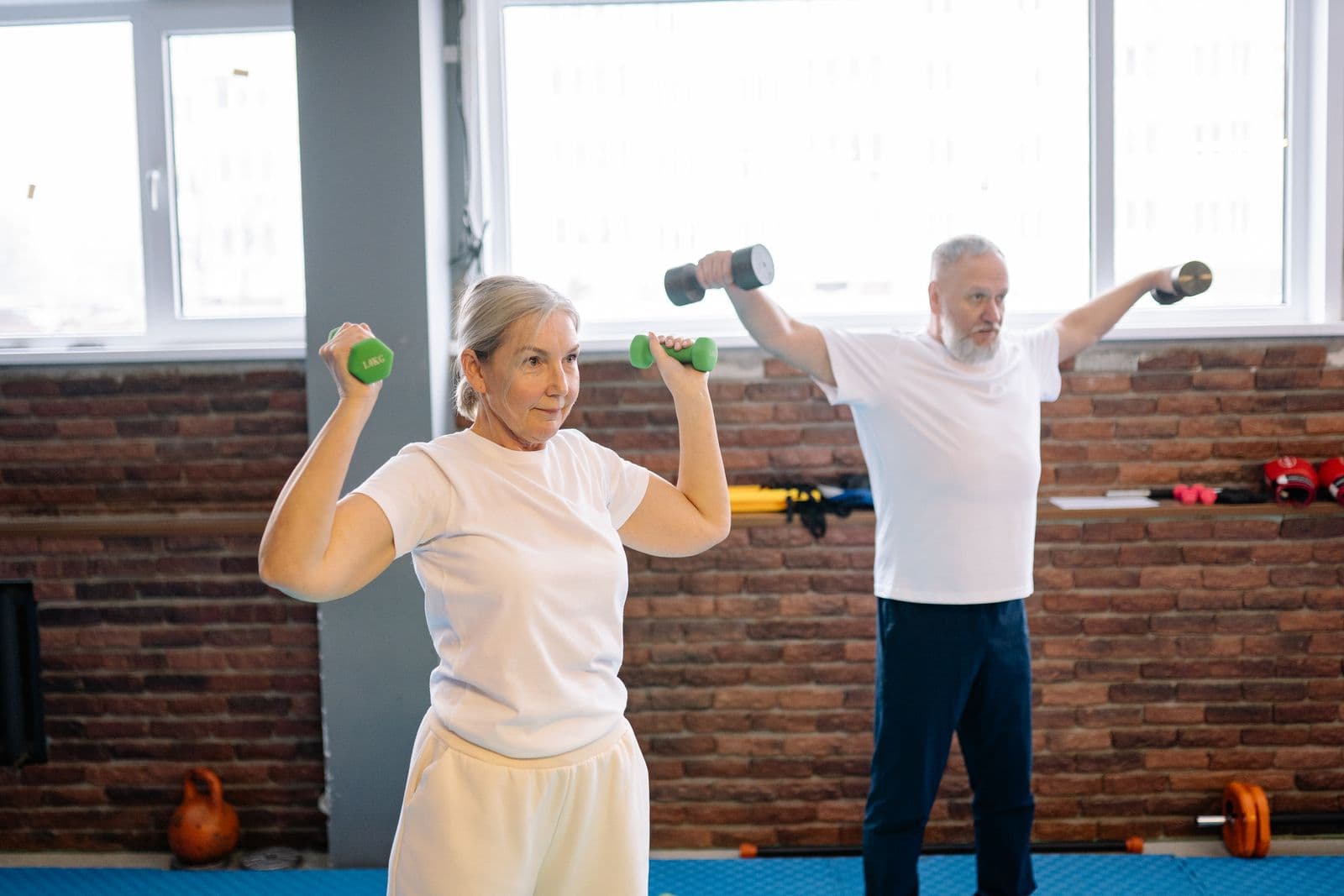

The Quiet Epidemic of Aging
Sarcopenia is the progressive loss of muscle mass, strength, and function that accelerates after age 60. Unlike conditions with dramatic symptoms, it advances quietly — often unnoticed until a person can no longer rise from a chair without using their arms, climb stairs without holding the rail, or recover from a minor illness without significant decline.
Sarcopenia is not an inevitable consequence of aging. It is a treatable and largely preventable condition that profoundly affects healthspan. At Zimmer Medical Group, we screen for it routinely in patients over 60 because few other conditions have such a large impact on independence.
Why It Matters
Sarcopenia is associated with:
- Increased risk of falls and fractures
- Loss of independence
- Longer hospital stays and worse recovery from illness
- Higher mortality
- Reduced metabolism and increased risk of obesity
- Worse outcomes in cancer treatment, surgery, and chronic disease management
- Higher risk of osteoporosis and bone fractures
After age 30, adults lose roughly 3–8 percent of muscle mass per decade. After 60, the rate accelerates. By age 80, many adults have lost 30–50 percent of their peak muscle mass — which has dramatic implications for function and metabolic health.
Recognizing Sarcopenia
Sarcopenia involves both muscle mass and muscle function. Common signs:
- Difficulty getting up from a chair without using arms
- Slower walking pace
- Reduced grip strength (often noticed when opening jars)
- Loss of stamina with everyday tasks
- Visible thinning of arms and thighs
- Increased fatigue
- Recent unintentional weight loss with maintained or increased body fat ("sarcopenic obesity")
Several quick tests help identify it:
- 5-time chair stand test: standing up from a chair five times in less than 12 seconds
- Gait speed: walking 4 meters in less than 5 seconds
- Grip strength: measured with a hand dynamometer
The Drivers of Muscle Loss
Multiple factors contribute:
- Reduced physical activity — particularly resistance exercise
- Anabolic resistance — older adults need more protein per meal to stimulate the same muscle response
- Hormonal changes — declining testosterone, growth hormone, IGF-1
- Chronic inflammation — common with aging and chronic disease
- Inadequate protein intake — particularly common in older adults
- Vitamin D deficiency
- Chronic illnesses — heart failure, COPD, kidney disease, cancer
- Hospitalization and bed rest — even short periods of immobility accelerate muscle loss dramatically
What Actually Works: Two Pillars
Pillar 1: Resistance Exercise
Progressive resistance training is the most powerful intervention for sarcopenia. The evidence is overwhelming and the response is preserved into the 90s.
A reasonable starting program:
- Frequency: 2–3 sessions per week
- Exercises: focus on major muscle groups — squats (or sit-to-stands), rows, presses, hinges, carries
- Intensity: moderate to high — light weights with high reps are far less effective
- Progression: gradually increase weight or difficulty
Patients who have never strength trained often see dramatic improvements within 8–12 weeks. See our guide on strength training after 60 for a more detailed starting framework.
For adults who cannot access a gym, a few resistance bands, a sturdy chair, and bodyweight exercises form an effective home program. Working with a physical therapist or trainer experienced with older adults — even briefly — can change the entire trajectory.
Pillar 2: Protein Intake
Older adults need more protein than current RDAs suggest. Research increasingly supports:
- 1.0–1.2 grams of protein per kilogram of body weight per day for healthy older adults
- 1.2–1.5 g/kg/day for older adults with acute or chronic illness
- At least 25–30 grams of high-quality protein per meal to maximally stimulate muscle protein synthesis
For a 150-pound (68 kg) adult, this means roughly 80–100+ grams of protein per day, distributed across meals. Most older adults consume far less, particularly at breakfast.
Quality sources include eggs, dairy, fish, poultry, lean meats, legumes, and Greek yogurt. Whey protein supplements (15–25 grams) are useful when meal-based intake falls short.
A common concern: protein intake at this level is generally safe even with mild kidney disease (eGFR > 30), though patients with advanced kidney disease should discuss specific targets with their doctor.
Other Interventions
- Vitamin D adequacy — supplementation if levels are low; combined with exercise has additive benefit
- Treat underlying conditions — heart failure, COPD, sleep apnea, depression, hypothyroidism
- Address poor appetite — small frequent meals, protein-first ordering, removing medications that suppress appetite when possible
- Limit alcohol — alcohol blunts muscle protein synthesis
- Manage GLP-1 medication-related muscle loss — these effective weight loss medications can accelerate muscle loss without specific attention to protein and resistance training
What Does Not Work (Yet)
- Testosterone in men without low testosterone — modest effects on muscle mass without clear functional benefit, with cardiovascular concerns
- Growth hormone — no role outside of true GH deficiency due to side effects
- Most "muscle-building" supplements beyond whey protein and creatine
- Creatine has decent evidence in older adults, particularly when combined with resistance training, and is generally safe (3–5 grams daily) — but not a substitute for the basics
A Practical Starting Plan
For an active 65-year-old who has noticed decreased strength:
- Assess current protein intake — most adults under-eat at breakfast and lunch
- Increase to roughly 25–30 grams of protein at each main meal
- Begin a structured resistance training program 2–3 times per week
- Include daily walking or other aerobic activity
- Check vitamin D level and supplement if low
- Repeat strength assessment in 12 weeks
Most patients who commit to this combination see meaningful improvement in strength, energy, and stamina within 3 months — and dramatic differences over a year.
The Medical Causes We Rule Out First
Before prescribing protein and a resistance program, I look for the conditions and medications that thin muscle on their own, because a patient can do everything right and still lose ground if one of them is untreated.
Thyroid, vitamin D, and testosterone
An underactive thyroid slows everything, including muscle repair, and hypothyroidism is common enough in older adults that a TSH belongs in the workup. Vitamin D deficiency weakens muscle directly and is surprisingly frequent in St. Petersburg despite the sun. In men, low testosterone accelerates loss of muscle, but replacement is reserved for confirmed deficiency with symptoms, not for age alone, as the article notes above. The National Institute on Aging lays out why exercise remains the treatment even when a hormone is corrected.
Medications that quietly thin muscle
Long courses of prednisone waste muscle, particularly in the thighs and shoulders, which is one reason we push to taper steroids for polymyalgia or lung disease as soon as the condition allows. Statins such as atorvastatin cause aching in a minority of people, and true muscle damage is rare, but persistent weakness on a statin deserves a creatine kinase test rather than a shrug. GLP-1 medications such as semaglutide produce rapid weight loss, and without deliberate protein intake and resistance training a meaningful share of what is lost is muscle; our article on how much protein you need by age sets the targets.
The chronic conditions that drive it
Congestive heart failure, COPD, chronic kidney disease, and poorly controlled diabetes each waste muscle through inflammation, inactivity, and reduced appetite, and in each case the exercise program has to be built around the condition rather than deferred until it is fixed. A hospital stay is the single most abrupt cause: older adults can lose a measurable amount of leg strength in a week of bed rest, which is why we ask about walking from the first day of admission and arrange physical therapy at discharge. The NIA's guide to the types of exercise is a reasonable starting point for someone rebuilding after an illness, and our musculoskeletal team can connect you with a therapist who works with older adults.
When to See Your Doctor
- Falls, near-falls, or new fear of falling
- Difficulty rising from chairs or climbing stairs
- Significant unintentional weight loss
- New or worsening fatigue
- Reduced grip strength (noticed with opening containers)
- Considering starting a structured exercise or weight loss program
The International Osteoporosis Foundation provides excellent patient resources on sarcopenia diagnosis and management.
Concerned about strength, balance, or stamina? Contact Zimmer Medical Group for an assessment and a personalized plan combining the protein, exercise, and medical optimization that protects your independence for the long run.


