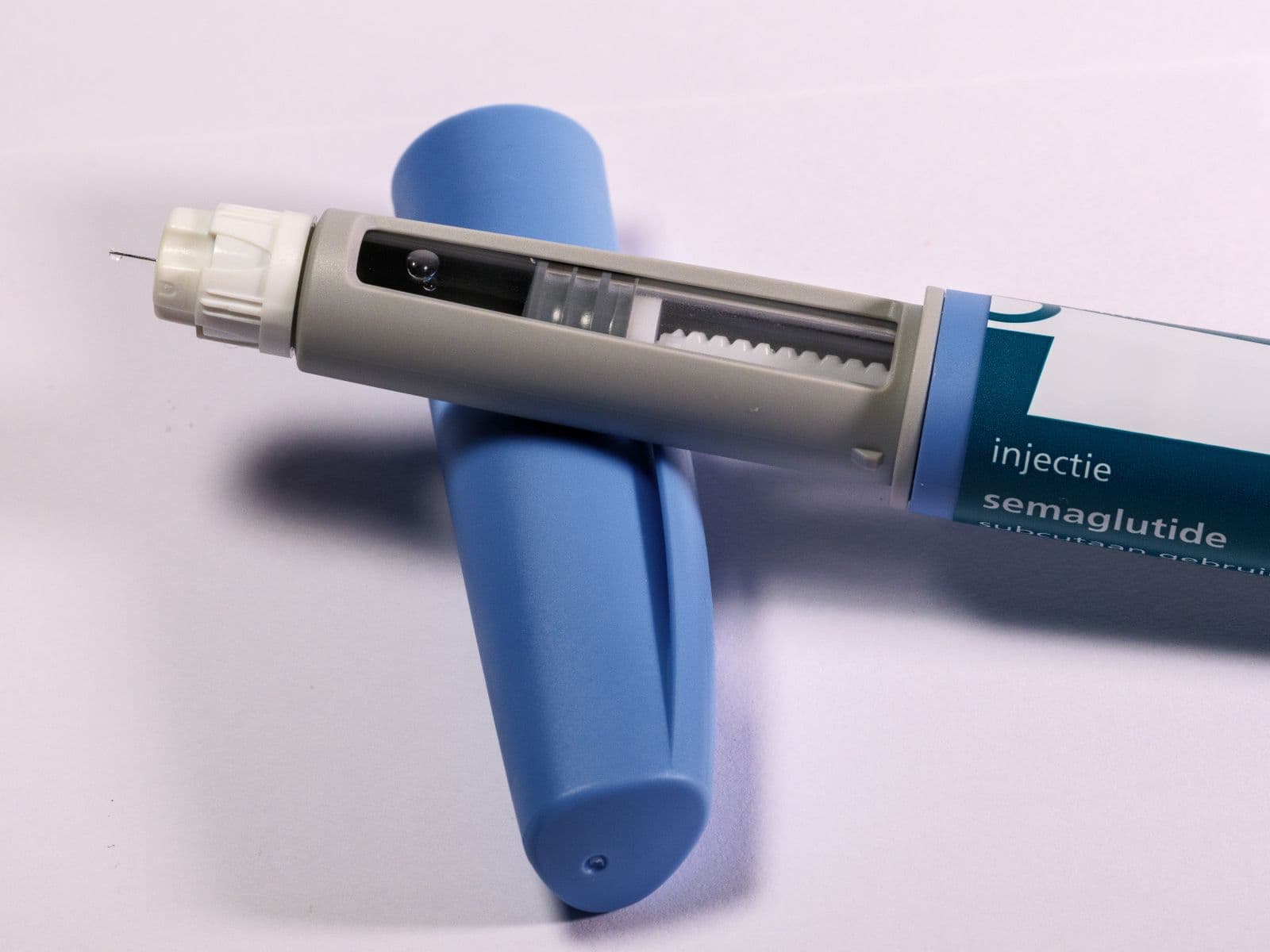

A Class of Medications Worth Optimizing
GLP-1 receptor agonists — semaglutide (Ozempic, Wegovy, Rybelsus), tirzepatide (Mounjaro, Zepbound), liraglutide (Saxenda), and others — have transformed weight management and diabetes care. Their effectiveness is substantial. So is their side effect profile, which is the leading reason patients discontinue treatment.
The good news: most side effects are manageable with the right approach. Many patients who initially struggled find that thoughtful titration, dietary adjustments, and proactive management make these medications sustainable for years.
At Zimmer Medical Group, we work with patients on GLP-1 medications throughout their journey — see our companion articles on maximizing success and GLP-1 medications empowering your health for related background.
How GLP-1 Side Effects Develop
GLP-1 medications work by:
- Slowing stomach emptying (delayed gastric emptying)
- Suppressing appetite at the brain level
- Improving insulin sensitivity
- Various other metabolic effects
Most side effects relate directly to slowed stomach emptying and altered gut motility. Understanding this helps explain both the symptoms and the strategies that help.
Gastrointestinal Side Effects (The Most Common)
Nausea
Nausea affects 20–60 percent of patients depending on the medication and dose. It typically:
- Worsens after dose increases
- Improves over 1–4 weeks at a stable dose
- Usually mild to moderate
- Severe nausea affects 5–10 percent of patients
Management strategies:
- Slow dose escalation — staying at a tolerated dose for an extra month can dramatically reduce side effects
- Smaller, more frequent meals — avoid large meals that strain a slow-emptying stomach
- Eat slowly and stop when satisfied — many patients overeat early on, then feel sick
- Avoid greasy, very fatty, or fried foods — these worsen delayed emptying
- Cool, bland foods often tolerated better — yogurt, applesauce, crackers
- Stay well hydrated — small frequent sips
- Ginger — proven mild anti-nausea effect
- Fresh air and avoiding strong smells
- Anti-nausea medications — ondansetron (Zofran) for short-term use; less commonly promethazine
Vomiting
If vomiting becomes more than occasional or interferes with hydration:
- Hold the next dose
- Contact your prescriber
- Consider dose reduction
- Significant vomiting can lead to dehydration, kidney injury, and electrolyte problems
Constipation
Common and often more bothersome than nausea long-term. Caused by slowed gut motility:
Management:
- Adequate hydration — particularly important in Florida heat
- Daily fiber intake (25–35 g) — increase gradually
- Magnesium citrate (250–500 mg daily) — many patients benefit
- Polyethylene glycol (Miralax) — safe for daily use
- Stool softeners (docusate)
- Senna or bisacodyl for occasional use
- Daily walking
- Smaller meals more often
Diarrhea
Less common than constipation but possible:
- Usually self-limiting
- Stay hydrated
- Loperamide (Imodium) for symptom control if needed
- Persistent or severe diarrhea warrants reevaluation
Bloating, Gas, Belching
Reflect slow emptying and altered gut function:
- Smaller meals
- Eat slowly
- Avoid carbonated beverages
- Limit gas-producing foods if intolerant
- Simethicone for symptom relief
Reflux and Heartburn
Slowed emptying can worsen reflux:
- Avoid eating within 3 hours of bedtime
- Elevate head of bed
- Identify and avoid trigger foods
- H2 blockers (famotidine) for as-needed use
- Discuss long-term strategy with your doctor — see long-term PPI use
Muscle Loss (An Important Concern)
Significant weight loss from any cause includes some muscle loss. With GLP-1 medications, several factors compound this:
- Reduced appetite leading to inadequate protein intake
- Often reduced overall calorie intake
- Sometimes reduced physical activity initially
- The rapid pace of weight loss
Studies suggest that 25–40 percent of weight lost on GLP-1 medications can be lean mass if not specifically addressed. This matters because:
- Muscle loss reduces metabolic rate
- Increases risk of sarcopenia and frailty
- Affects functional capacity
- Can predispose to weight regain when medications are stopped
Prevention strategies:
- Adequate protein intake: 1.2–1.6 g per kg body weight per day; distribute across meals; aim for at least 25–30 g per meal
- Resistance training: 2–3 sessions per week is the most effective intervention; see strength training after 60
- Don't undereat: even with reduced appetite, ensure adequate caloric intake
- Monitor muscle: grip strength, ability to rise from chairs, stair climbing
- Periodic body composition assessment when feasible
Fatigue
Some patients report fatigue, particularly during the early weeks or after dose increases:
- Often improves as the body adapts
- Address adequate caloric and protein intake
- Check for nutrient deficiencies (iron, B12, vitamin D)
- Rule out other causes — see adrenal fatigue myth vs. real issues
- Adequate sleep
- Don't assume fatigue is "just the medication"
Dehydration
Reduced food and fluid intake plus possible nausea/vomiting can cause:
- Dizziness, particularly with standing
- Headaches
- Constipation worsening
- Reduced exercise tolerance
- Risk of acute kidney injury
Aim for 2–3 liters of fluid daily unless your doctor has restricted fluid intake.
Hair Thinning
Some patients notice hair thinning during significant weight loss. Usually:
- Related to rapid weight loss, not the medication itself
- Telogen effluvium (temporary hair shedding)
- Resolves with weight stabilization and adequate nutrition
- Ensure adequate protein, iron, biotin, zinc
Pancreatitis
Rare but serious. Symptoms requiring urgent evaluation:
- Severe upper abdominal pain
- Pain radiating to the back
- Persistent vomiting
- Fever
Patients with prior pancreatitis or active gallbladder disease need particular caution.
Gallstones
Rapid weight loss from any cause increases gallstone risk. Symptoms:
- Right upper quadrant pain after fatty meals
- Nausea, vomiting
- Sometimes fever (cholecystitis)
If suggestive symptoms develop, ultrasound evaluation is warranted.
Kidney Considerations
Dehydration from GI side effects can cause acute kidney injury. Patients with existing kidney disease need particular attention to hydration. Most patients with stable kidney disease tolerate GLP-1 medications well; some doses are adjusted in advanced kidney disease.
Mental Health Considerations
Most patients report improved mood and self-image with successful weight loss. Some patients experience:
- Mood changes
- New or worsening depression or anxiety
- Changes in food enjoyment that feel emotionally significant
If mental health symptoms emerge, discuss with your prescriber.
Diabetic Retinopathy in Patients with Diabetes
In patients with diabetes, rapid improvement in glucose control can transiently worsen retinopathy. Patients with significant retinopathy may need ophthalmology coordination during initiation.
Approaching Long-Term Use
Recent research suggests these medications work best when continued long-term. Stopping usually leads to substantial weight regain. Most patients on GLP-1 medications for chronic disease (diabetes, obesity) plan for indefinite use.
This makes side effect management crucial — strategies that allow you to tolerate the medication for years matter much more than getting through the first month.
When to Stop or Reduce
Consider holding doses or reducing for:
- Severe persistent nausea or vomiting interfering with intake
- Significant dehydration
- Suspected pancreatitis (urgent evaluation)
- Significant gallbladder symptoms
- Acute illness requiring procedures (anesthesia considerations)
- Pregnancy or planned pregnancy
- Severe psychiatric changes
Compounded Versions: A Special Concern
Compounded semaglutide and tirzepatide raise additional concerns about quality, dosing accuracy, and safety. See our companion article on compounded semaglutide for detail.
When to See Your Doctor
- New or worsening side effects
- Inability to tolerate any dose
- Signs of dehydration
- Severe abdominal pain
- Difficulty maintaining adequate intake
- Concerns about muscle loss or function
- Considering whether to continue, escalate, or stop
The American Diabetes Association and Obesity Society provide ongoing clinical updates on GLP-1 management.
Struggling with side effects on Ozempic, Mounjaro, or another GLP-1 medication? Contact Zimmer Medical Group for a personalized side effect management plan that helps you stay on therapy long enough to get the benefits.


