
A Symptom That's Often Misattributed
"My blood sugar must be low" is one of the most common self-diagnoses for fatigue, shakiness, irritability, or feeling unwell between meals. In adults without diabetes, true hypoglycemia is actually uncommon — most cases of these symptoms have other explanations.
That said, real hypoglycemia in non-diabetics does exist and can have important underlying causes. Distinguishing real from suspected hypoglycemia, and identifying causes when present, is straightforward with structured evaluation.
At Zimmer Medical Group, we evaluate hypoglycemia symptoms systematically rather than reflexively recommending dietary changes that may not address the actual problem.
What Counts as Hypoglycemia
True hypoglycemia in adults requires meeting the Whipple's triad:
- Symptoms consistent with hypoglycemia
- Documented low blood glucose at the time of symptoms (typically < 55 mg/dL)
- Resolution of symptoms with raising blood glucose
A reading of 75 with vague symptoms doesn't qualify. Documenting the connection between symptoms and a truly low glucose is essential.
Symptoms That Often Get Mislabeled
Many symptoms attributed to "low blood sugar" have other causes:
- Mid-afternoon energy slump (often related to circadian patterns, sleep, food choices)
- Feeling shaky after skipping meals (often related to caffeine, anxiety, dehydration)
- Headaches before meals (often related to dehydration, caffeine withdrawal)
- Difficulty concentrating (many causes including poor sleep, stress, ADHD)
- "Hangry" irritability (often general hunger and dehydration, not true hypoglycemia)
Meeting the Whipple's triad is the test of whether glucose is actually involved.
When Symptoms Could Be Real Hypoglycemia
Hypoglycemia presents with two main symptom categories:
Adrenergic (from sympathetic nervous system response)
- Sweating
- Tremor
- Palpitations or racing heart
- Anxiety
- Hunger
- Pallor
Neuroglycopenic (from low brain glucose)
- Confusion
- Difficulty concentrating
- Vision changes
- Slurred speech
- Behavioral changes
- Severe cases: seizure or loss of consciousness
Symptoms that include neuroglycopenic features are more concerning and warrant thorough workup.
Two Patterns That Suggest Different Causes
Postprandial (Reactive) Hypoglycemia
Symptoms occur 1–4 hours after eating. Mechanism varies:
- Excessive insulin response to a meal, particularly high-carb meals
- Common after gastric bypass surgery (dumping syndrome)
- Some patients with prediabetes or early type 2 diabetes
- Idiopathic in some patients
- Rarely, insulinoma (insulin-producing tumor) — though this typically causes fasting hypoglycemia
Fasting Hypoglycemia
Symptoms occur after prolonged periods without eating. More likely to indicate serious pathology:
- Insulinoma
- Adrenal insufficiency
- Severe liver disease
- Kidney failure
- Some medications
- Critical illness
Fasting hypoglycemia in adults always warrants thorough evaluation.
Causes of True Hypoglycemia in Non-Diabetics
Medication-Related
- Surreptitious or accidental insulin or oral hypoglycemic use
- Quinolone antibiotics (especially in older adults)
- Beta blockers (can cause hypoglycemia and mask symptoms)
- ACE inhibitors
- Pentamidine
- Indomethacin and other NSAIDs
- Quinine
- Sulfa drugs
Alcohol
Alcohol-induced hypoglycemia is the most common cause in some populations, particularly when consumed without food or in the setting of chronic alcohol use disorder.
Hormonal Deficiencies
- Adrenal insufficiency — see our adrenal fatigue vs. real adrenal insufficiency article
- Growth hormone deficiency
- Hypopituitarism
- Glucagon deficiency
Critical Illness
- Severe sepsis
- Heart failure
- Liver failure
- Kidney failure
- Hypothermia
Tumors
- Insulinoma — rare insulin-secreting pancreatic tumor; classic presentation is fasting hypoglycemia
- Non-islet cell tumors producing IGF-2
After Bariatric Surgery
Post-bariatric hypoglycemia (particularly after gastric bypass) is increasingly recognized — typically occurs 1–3 hours after high-carbohydrate meals. Treatment combines dietary modification and sometimes medications.
Hereditary
Various rare metabolic disorders, typically diagnosed in childhood.
Evaluation Approach
Step 1: Document Real Hypoglycemia
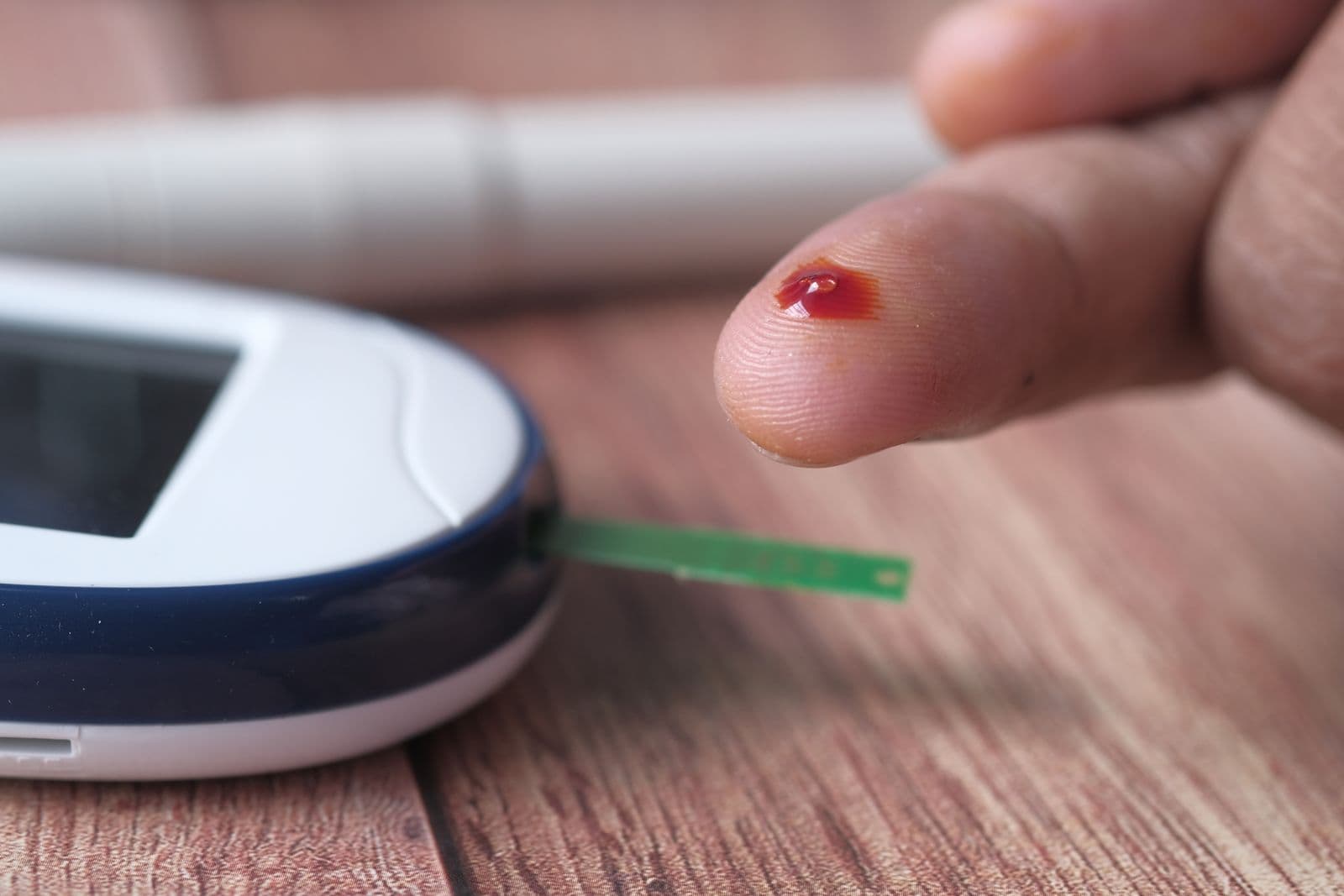
The single most important step is documenting that glucose is actually low during symptoms:
- A glucometer reading during typical symptoms
- A formal blood draw if possible (more accurate)
- A continuous glucose monitor for 1–2 weeks captures patterns
- 72-hour supervised fast in inpatient setting for suspected insulinoma
Without documenting actual hypoglycemia, you cannot diagnose hypoglycemia.
Step 2: Determine the Pattern
- Postprandial — most common
- Fasting — needs thorough workup
- Random/unpredictable
Step 3: Workup Based on Pattern
For documented fasting hypoglycemia or atypical features:
- Comprehensive metabolic panel
- Insulin, C-peptide, proinsulin during a hypoglycemic episode (key to identifying insulinoma vs. exogenous insulin)
- Sulfonylurea and meglitinide screen
- Beta-hydroxybutyrate
- Cortisol, ACTH
- Liver function, kidney function
- Imaging (CT or MRI of pancreas) if insulinoma suspected
- Endocrinology referral for unclear cases
For postprandial hypoglycemia:
- Often a clinical diagnosis after dietary trial
- Mixed meal tolerance test in selected cases
- Workup for diabetes, prediabetes, history of bariatric surgery
Dietary Approach for Postprandial Hypoglycemia
For most cases of suspected reactive hypoglycemia, dietary modifications often resolve symptoms:
Composition
- Reduce simple carbohydrates and refined sugars
- Pair carbohydrates with protein and healthy fats
- Choose lower-glycemic-index foods
- Increase fiber intake
Timing
- Smaller, more frequent meals (5–6 per day rather than 3 large)
- Avoid skipping meals
- Don't go more than 3–4 hours without eating
What to Eat
Examples of stable-energy meals:
- Greek yogurt with nuts and berries
- Apple with peanut butter
- Whole grain crackers with cheese
- Hummus with vegetables
- Eggs with avocado on whole grain toast
What to Avoid
- Sugary drinks
- Large carbohydrate-only meals
- Skipping meals followed by overcompensation
- Excessive caffeine
For Post-Bariatric Hypoglycemia
More structured approaches may be needed:
- Strict carbohydrate limits (15–30 g per meal)
- High protein intake
- Specialized eating patterns
- Medications (acarbose, diazoxide, sometimes GLP-1 antagonists)
When Dietary Changes Aren't Enough
For persistent symptoms despite appropriate dietary modifications:
- Reassess whether hypoglycemia is actually the cause
- Consider insulinoma workup if fasting hypoglycemia
- Endocrinology consultation
- Continuous glucose monitor to characterize patterns
What Patients Often Get Wrong
- Attributing all between-meal discomfort to "low blood sugar" without testing
- Eating large amounts of sugar to treat suspected hypoglycemia (perpetuates the cycle in reactive hypoglycemia)
- Skipping meals expecting to be "tougher" — often makes patterns worse
- Drinking large amounts of caffeine, then attributing the resulting symptoms to glucose
- Overlooking common causes of similar symptoms (anxiety, dehydration, sleep deprivation)
When to See Your Doctor
- Documented blood glucose < 55 mg/dL with symptoms
- Recurrent symptoms suggestive of hypoglycemia
- Severe symptoms (confusion, loss of consciousness, seizures)
- Symptoms after meals not improving with basic dietary changes
- After bariatric surgery with new symptoms
- New symptoms in patients on medications known to cause hypoglycemia
- Symptoms associated with specific patterns warranting evaluation
The Endocrine Society and American Diabetes Association provide additional clinical resources on hypoglycemia evaluation.
Symptoms you've been attributing to low blood sugar without clear answers? Contact Zimmer Medical Group for an evaluation that documents what's actually happening — and the right treatment plan based on real findings.


