
Three Very Different Air-Quality Threats
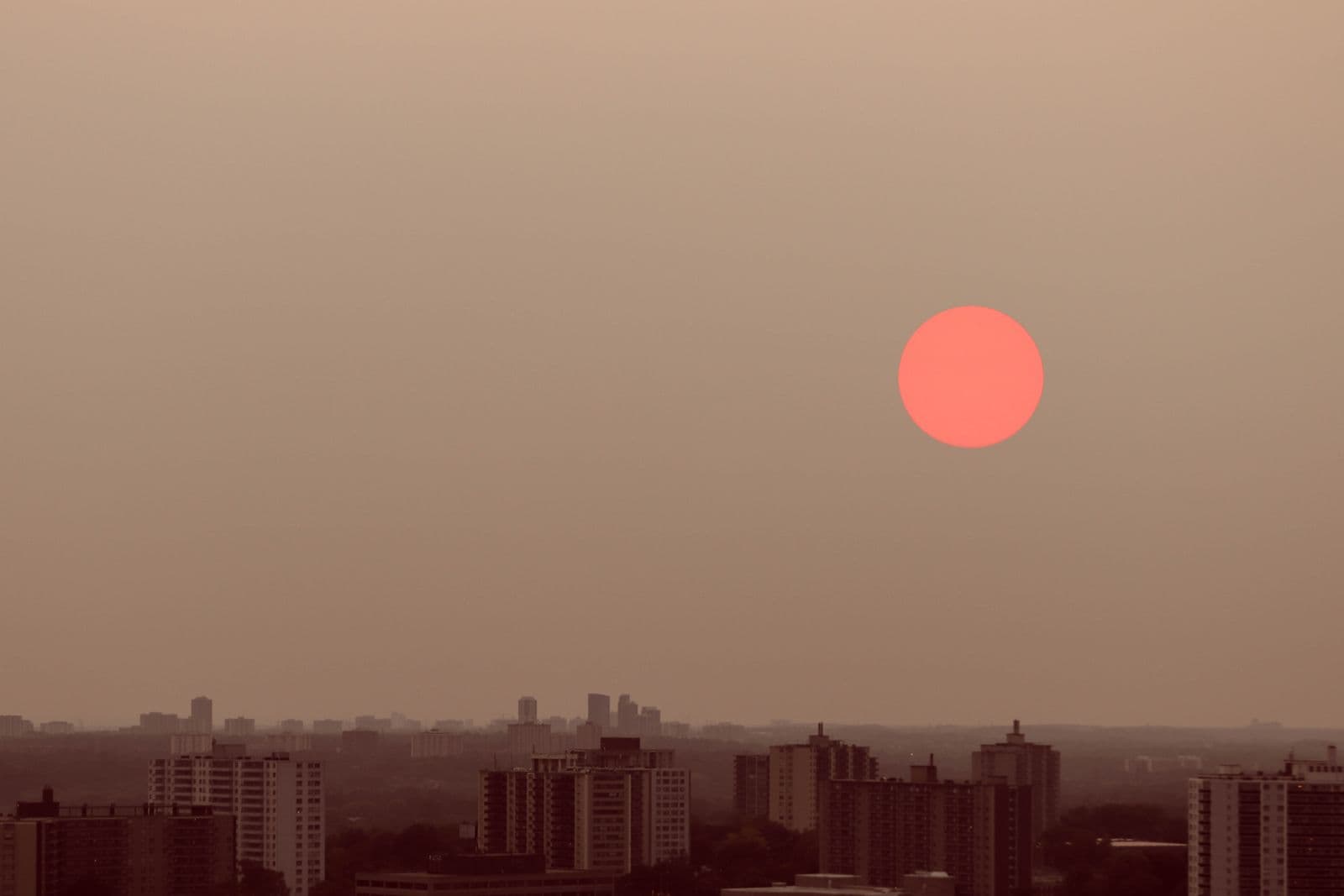
St. Petersburg sits at the crossroads of three distinct air-quality challenges that most residents did not think about ten years ago. Florida's dry season brings wildfire smoke from brush and muck fires across the state. Early summer brings plumes of Saharan dust carried across the Atlantic on trade winds. And our coastline brings periodic red-tide aerosols from Karenia brevis blooms in the Gulf. Each affects the lungs and heart differently, but the playbook for protecting yourself is mostly the same: know the numbers, know your risk, and act early.
Reading the AQI
The Air Quality Index (AQI) is a single daily number from 0 to 500, with lower values meaning cleaner air. The categories to memorize are:
- 0-50 Good — normal activity for everyone.
- 51-100 Moderate — unusually sensitive people may notice symptoms.
- 101-150 Unhealthy for Sensitive Groups — people with asthma, COPD, heart disease, diabetes, pregnancy, children, and adults over 65 should cut back on outdoor exertion.
- 151-200 Unhealthy — everyone should reduce prolonged outdoor activity.
- 201-300 Very Unhealthy — avoid outdoor exertion; sensitive groups stay indoors.
- 301+ Hazardous — health alert for the entire population.
You can check current AQI in Pinellas County at AirNow any time. We recommend making it a morning habit during dry season, summer dust events, or active red tide.
Wildfire Smoke
Wildfire smoke is a complex mix of gases and fine particles. The particles that matter most are PM2.5 — tiny enough to reach the deepest parts of the lung and cross into the bloodstream. Short-term exposure can trigger asthma attacks, COPD exacerbations, chest pain, and heart rhythm problems. The EPA's indoor air quality resources and the CDC's wildfire smoke guidance are both reliable references, and AirNow reports the current air quality index for your area.
During a smoke event:
- Close windows and doors. Run air conditioning on recirculate.
- Upgrade to a MERV 13 filter if your HVAC system can handle it.
- Run a portable HEPA air cleaner in the bedroom. Sleep is when you spend the most concentrated hours in one room.
- N95 or KN95 respirators (properly fitted) are the masks that actually filter PM2.5. Surgical and cloth masks do very little against smoke.
- Have a written rescue plan for asthma and COPD patients, including albuterol, fluticasone, and any prescribed oral steroids. Refill before conditions worsen.
Saharan Dust
Each summer, large plumes of mineral dust travel thousands of miles from West Africa across the Atlantic and over Florida. The dust can suppress tropical storm formation — one silver lining — but it also raises PM levels and can tint our skies milky white for days. Symptoms in sensitive patients mimic seasonal allergies: cough, sinus pressure, sore throat, and wheeze.
The same indoor playbook applies. If you are on controller therapy for asthma, do not skip doses during a dust event. Our guide to managing asthma and COPD in humid St. Pete covers how we layer inhaled corticosteroids, long-acting bronchodilators, and rescue medication during these short spikes.
Red Tide Aerosols
Red tide is a different creature entirely. Karenia brevis blooms release brevetoxins that become airborne in sea spray along our beaches. Unlike smoke and dust, you may not see the hazard — but you will often feel it within minutes: burning eyes, dry cough, scratchy throat, chest tightness. Asthma patients can have full-blown attacks within a block of an affected beach.
You can check current bloom conditions at the Florida Fish and Wildlife Conservation Commission's red-tide status map. We have a more detailed playbook in our red tide and respiratory health guide, including which beaches historically clear first after an onshore wind shift.
Key practical steps during a red-tide event:
- Move your workout inland by at least a mile, or indoors.
- Keep windows closed at home; run air conditioning.
- Skip the beach entirely if you have moderate or severe asthma or COPD.
- Keep a rescue inhaler within reach for the week after symptoms first appear.
Protecting Your Home
A few one-time investments pay off across all three threats. Our indoor air quality guide for Pinellas County goes into more detail, but the short version is:
- MERV 13 filters in every return, replaced on schedule.
- A HEPA air purifier sized to the square footage of your main living area and bedroom.
- Door and window seals checked annually — Florida humidity punishes them.
- Well-maintained AC with fresh coils and a clean drain line.
Add a carbon monoxide detector near bedrooms, especially if you use a generator during storms.
Telling an Air-Quality Flare From an Infection
The same week the AQI climbs, half of Pinellas County seems to be coughing, and sorting out who has a smoke or dust reaction and who has caught something changes what we do.
How the timing gives it away
An air-quality reaction starts within hours of exposure and settles within a day or two of clean air or an indoor day; it does not bring fever, body aches, or a sore throat that deepens over several days. Symptoms that keep worsening after the AQI has dropped, a fever, or sputum that turns thick and colored point toward a viral or bacterial illness layered on top, and someone with COPD who develops those needs to be seen, because that is the setup for pneumonia. MedlinePlus has a good summary of what particulate exposure does and does not cause.
Using rescue and controller medications during an event
A rescue inhaler such as albuterol that is needed more than a couple of times a day during a smoke or dust event means the controller plan is not holding; that is the moment to call, not to keep puffing. Do not double a daily inhaled steroid such as fluticasone on your own; the adjustment that works is decided in advance and written into your action plan. Keep the hurricane medicine cabinet stocked through dry season too, since smoke events and power outages often overlap. The NHLBI's asthma pages describe what a written action plan should contain.
Chest symptoms in heart patients
Fine particles affect the heart as much as the lungs. In someone with coronary artery disease or heart failure, a bad air day can show up as chest pressure, a racing or skipping heartbeat, or breathlessness lying flat, and those are treated as cardiac symptoms first, not as smoke irritation. New chest pain during an air-quality event is a 911 call. AirNow's wildfire smoke guide explains why the cardiovascular risk rises even at moderate AQI values for people with existing heart disease, and our pulmonary team builds the threshold-based plans for anyone in more than one high-risk group.
Who Should Take Extra Care
These groups should watch the AQI every day in dry season and summer and act at the 101-150 threshold rather than waiting for 151:
- Anyone with asthma, COPD, or chronic bronchitis
- Coronary artery disease, heart failure, or recent cardiac events
- Pregnancy
- Children under 10
- Adults over 65
- Patients on chemotherapy or otherwise immunocompromised
If you fall into more than one of these categories, we often build a written action plan that includes medication adjustments at specific AQI thresholds — the same way a diabetic plan lists what to do at specific blood-sugar numbers.
Schedule a visit with Zimmer Medical Group in St. Petersburg, FL to review your inhaler technique, update your action plan, and optimize your home setup before the next dry-season smoke event or summer dust plume. You can request a visit here.


