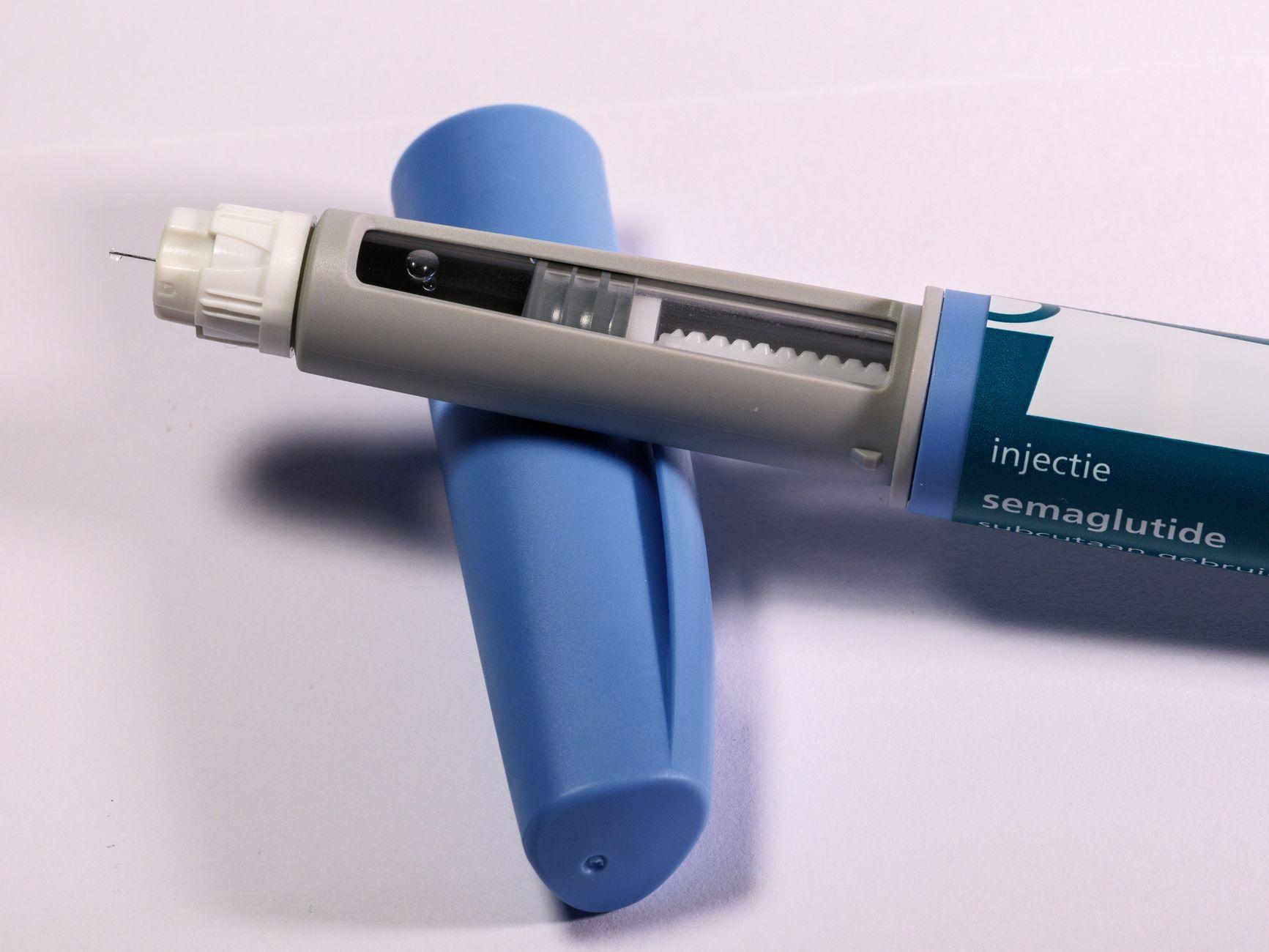

Retatrutide Is Not Approved Yet
Retatrutide is an experimental once-weekly injection from Eli Lilly that many people now call "triple G." It has drawn enormous attention because its trials have shown more weight loss than any approved obesity medicine. But as of November 2026 it is not FDA-approved, and no pharmacy can legally fill a prescription for it. Lilly has said it plans to submit retatrutide to FDA in the first quarter of 2027. A typical FDA review takes many months after that.
That gap matters, because retatrutide is already being sold online as a "research peptide." This article explains what retatrutide is, what the evidence shows, and what you can do now if you are hoping to lose weight.
How Retatrutide Works
Retatrutide is a single peptide that activates three hormone receptors:
- GLP-1, the target of semaglutide, which lowers appetite, slows stomach emptying and helps the pancreas release insulin
- GIP, the second target of tirzepatide, which adds to the insulin and appetite effects
- Glucagon, a hormone that raises energy use and helps the liver burn fat
The glucagon piece is what makes it a "triple agonist." In theory, it lets the body burn more energy while eating less, and it may be especially good at clearing fat from the liver. That combination is the reason for the "triple G" nickname: GLP-1, GIP and glucagon.
What the Clinical Trials Found
The Phase 2 Trial
In a 48-week phase 2 trial in adults with obesity, published in the New England Journal of Medicine, people on the highest dose of retatrutide lost about 24 percent of their body weight on average, compared with about 2 percent on placebo. Weight was still falling when the trial ended.
The TRIUMPH Phase 3 Program
Lilly's larger phase 3 program, called TRIUMPH, tested retatrutide in thousands of adults for up to 80 weeks. Lilly has reported that the highest dose produced average weight loss in the high 20s as a percentage of body weight in people without diabetes, the largest seen in a phase 3 obesity program. In TRIUMPH-2, in adults with obesity and type 2 diabetes, the 12 mg dose produced about 21 percent weight loss and lowered A1c by up to about 1.6 points, according to Lilly's July 2026 announcement. Trials have also looked at knee osteoarthritis pain and obstructive sleep apnea, and Lilly plans to seek approval for those uses too.
These are company-reported results. Some full trial publications are still to come, and FDA will review all of the data, including safety, before deciding.
Side Effects and Open Questions
The most common side effects in trials were the same as with other GLP-1 medicines: nausea, diarrhea, vomiting and constipation, mostly during dose increases. Heart rate rose modestly, as it does with other drugs in this family. Because the weight loss is so large, questions about muscle loss, gallstones, and nutrition in older adults are especially important.
Questions that FDA review should answer include how retatrutide affects heart attack and stroke risk, whether the glucagon effect causes any long-term problems, and how it compares directly with tirzepatide. Like other GLP-1-based drugs, it is expected to carry warnings about pancreatitis, gallbladder disease and thyroid C-cell tumors seen in rodents.
Why You Should Not Buy "Research" Retatrutide
Vials labeled retatrutide are sold online "for research use only" and through some clinics. These products are not the drug tested in Lilly's trials, and they are not made under FDA manufacturing standards. Their content, dose, purity and sterility are not verified. Because retatrutide is not part of any FDA-approved drug, pharmacies cannot legally compound it.
The risks are real: injecting a product with the wrong amount of drug can cause severe vomiting and dehydration, and a contaminated vial can cause a serious infection. FDA has also warned about counterfeit and unapproved versions of GLP-1 drugs, as described in our article on compounded semaglutide safety warnings.
What You Can Do Now
You do not need to wait for retatrutide to get effective treatment. FDA-approved options available today include:
- Tirzepatide (Zepbound), which produced about 20 percent average weight loss at the highest dose in its main trial
- Semaglutide (Wegovy), available as a weekly injection or a daily pill, with proven heart attack and stroke reduction in people with heart disease
- Orforglipron (Foundayo), a daily GLP-1 pill approved in 2026 that can be taken with or without food; see our orforglipron guide
People who start an approved medicine now can typically switch later if a newer drug becomes available and is a better fit.
When Retatrutide Might Be Available
If Lilly files as planned in early 2027 and FDA uses a standard review, a decision would likely come in late 2027 or 2028, though priority programs have moved some recent obesity drugs faster. After approval, supply, pricing and insurance coverage usually take additional months to settle. Coverage for weight loss medicines varies by plan, and Medicare drug coverage has its own rules, so access will not be the same for everyone on day one. Our medical weight loss program also screens for conditions tied to weight, such as type 2 diabetes, sleep apnea and fatty liver, and builds in protein and strength training to protect muscle.
Questions to Bring to Your Visit
- Which approved medicine is the best fit for my health conditions and coverage?
- What weight loss is realistic for me, and how will we measure success?
- How will we protect muscle and bone as I lose weight?
To talk through your options with a physician in St. Petersburg, schedule a visit.


