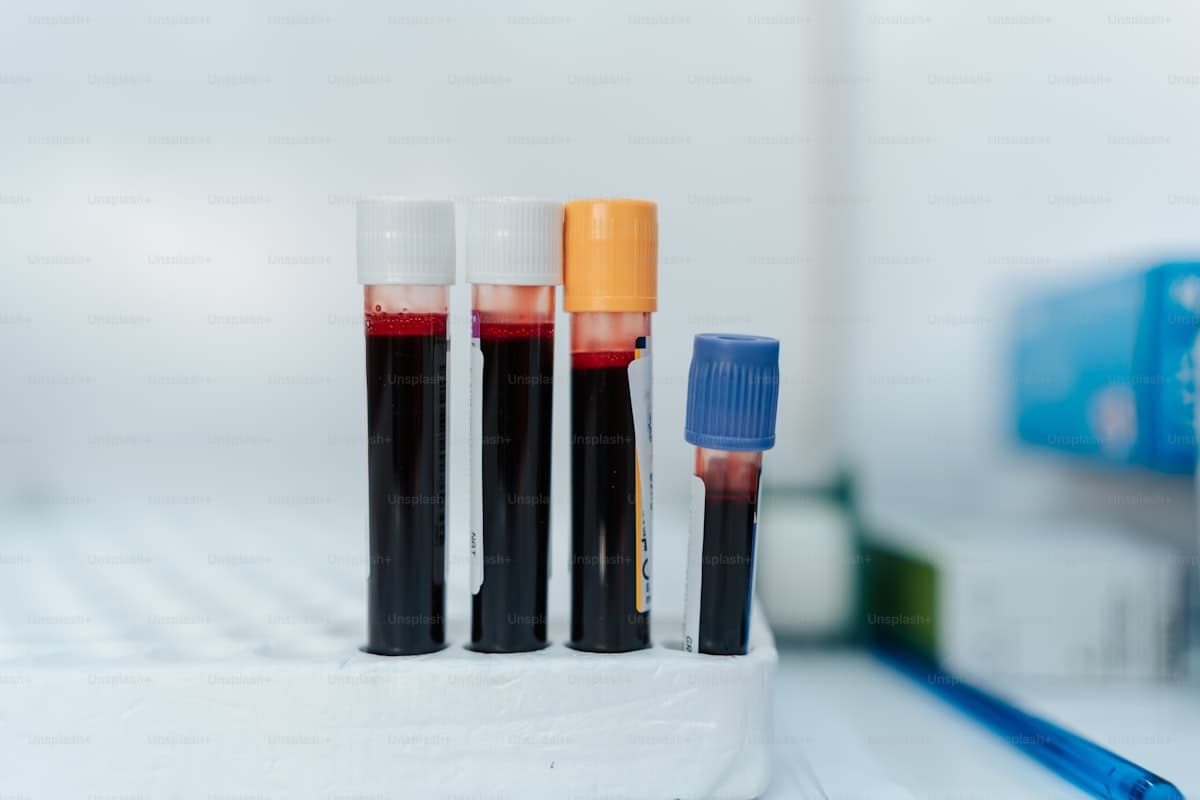

The Most Common Nutritional Deficiency in the World
Iron deficiency is so common that it often hides in plain sight. According to the World Health Organization, iron deficiency affects approximately two billion people worldwide, and women of reproductive age are disproportionately affected. In the United States alone, an estimated 10 percent of women are iron deficient, and many do not know it.
Iron is essential for producing hemoglobin, the protein in red blood cells that carries oxygen from your lungs to every tissue in your body. When iron levels drop, your body cannot produce enough healthy red blood cells, and every organ system begins to feel the effects. At Zimmer Medical Group, we routinely screen for iron deficiency because early detection and treatment can dramatically improve how you feel.
Symptoms Beyond Fatigue
Most people associate iron deficiency with tiredness, and fatigue is indeed the most common symptom. But iron deficiency affects far more than your energy levels. Many women experience symptoms they never connect to low iron:
Cognitive and Neurological Symptoms
- Brain fog and difficulty concentrating. Iron is essential for neurotransmitter production and brain oxygenation. When levels are low, many women notice decreased mental clarity, slower thinking, and difficulty focusing at work or school.
- Restless legs syndrome. That uncomfortable urge to move your legs, especially at night, is strongly associated with iron deficiency. Studies from the National Institutes of Health show that up to 25 percent of restless legs cases are related to low iron.
- Headaches and dizziness. Reduced oxygen delivery to the brain can cause frequent headaches and lightheadedness, especially when standing quickly.
Physical Symptoms
- Cold intolerance. If you are always the coldest person in the room, iron deficiency may be the reason. Iron plays a role in thermoregulation, and low levels impair your body's ability to maintain normal body temperature.
- Brittle nails and spoon-shaped nails (koilonychia). Your nails may become thin, fragile, and eventually develop a concave or spoon-like shape as iron deficiency progresses.
- Hair loss. Iron deficiency is one of the most common but under-recognized causes of hair shedding in women. The hair loss is typically diffuse rather than patchy.
- Pale skin and pale inner eyelids. Reduced hemoglobin gives the skin and mucous membranes a noticeably pale appearance.
- Shortness of breath with mild exertion. Activities that used to be easy, like climbing a flight of stairs, may leave you winded.
Unusual Symptoms
- Pica. This is an unusual craving for non-food items like ice (pagophagia), dirt, clay, or starch. Craving and chewing ice is one of the most specific symptoms of iron deficiency, and it often resolves completely once iron levels are restored.
- Sore or swollen tongue (glossitis). The tongue may appear smooth, pale, or inflamed.
- Frequent infections. Iron is important for immune function, and deficiency can increase susceptibility to illness.
Who Is at Risk?
Several factors make women more vulnerable to iron deficiency:
Menstruation
Heavy menstrual periods are the most common cause of iron deficiency in premenopausal women. Women who soak through a pad or tampon every hour, pass large clots, or have periods lasting longer than seven days are at particularly high risk. Many women do not realize their periods are abnormally heavy because they have never known anything different.
Pregnancy
Pregnancy dramatically increases iron demands. Blood volume expands by approximately 50 percent, and the growing fetus requires iron for its own development. Iron deficiency during pregnancy increases the risk of preterm birth, low birth weight, and postpartum depression.
Vegetarian and Vegan Diets
The iron found in plant foods (non-heme iron) is absorbed at a rate of only 2 to 20 percent, compared to 15 to 35 percent for the iron in meat (heme iron). Women following vegetarian or vegan diets need to consume roughly 1.8 times more iron than meat eaters to compensate for lower absorption.
Celiac Disease and Gastrointestinal Conditions
Celiac disease, inflammatory bowel disease, and other conditions that affect the small intestine can impair iron absorption even when dietary intake is adequate. Iron is primarily absorbed in the duodenum and upper jejunum, and damage to this area compromises uptake.
Frequent Blood Donation
Regular blood donors, particularly women who donate whole blood, may develop iron deficiency over time if they do not supplement.
Diagnosis: More Than Just a Hemoglobin Level
Many women are told their blood count is normal and sent home without further investigation, even when they have iron deficiency. This happens because hemoglobin levels can remain normal until iron stores are severely depleted. By the time anemia shows up on a standard blood count, the deficiency has been present for a long time.
A thorough evaluation for iron deficiency should include these blood work markers:
- Ferritin. This is the most sensitive marker of iron stores. A ferritin level below 30 ng/mL is consistent with iron deficiency, even if your hemoglobin is normal. Many women feel symptomatic when ferritin drops below 50.
- Serum iron. Measures the amount of iron circulating in your blood.
- Total iron-binding capacity (TIBC). Measures the blood's capacity to bind iron with transferrin. TIBC is elevated when iron stores are low.
- Transferrin saturation. Calculated from serum iron and TIBC, this reflects what percentage of your iron-carrying proteins are actually loaded with iron. A level below 20 percent suggests deficiency.
- Complete blood count (CBC). Evaluates hemoglobin, hematocrit, and red blood cell size (MCV). Iron deficiency anemia typically shows low hemoglobin and small red blood cells (microcytic anemia).
If your doctor is only checking hemoglobin, ask about a full iron panel.
Treatment: Oral Iron vs. IV Iron
Oral Iron Supplements
For mild to moderate iron deficiency, oral iron supplements are the first-line treatment. Ferrous sulfate is the most commonly prescribed form, typically taken on an empty stomach with vitamin C to enhance absorption.
However, oral iron comes with significant challenges:
- Gastrointestinal side effects (nausea, constipation, stomach pain) are common and cause many women to stop taking the supplement.
- Absorption is limited, especially in women with GI conditions.
- It can take three to six months to fully replenish iron stores.
Tips for tolerating oral iron:
- Start with a lower dose and gradually increase
- Take it every other day, which research shows may actually improve absorption
- Try different formulations (ferrous bisglycinate is often better tolerated)
- Take it with vitamin C (a glass of orange juice) and avoid coffee, tea, calcium, and antacids within two hours
IV Iron Infusions
When oral iron is not tolerated, not absorbed, or when deficiency is severe, intravenous iron infusions are an effective alternative. Modern IV iron formulations like ferric carboxymaltose and iron sucrose can replenish iron stores in one to three infusion sessions, producing significant improvement in symptoms within one to two weeks.
IV iron is particularly appropriate for:
- Women who cannot tolerate oral iron
- Women with malabsorption conditions
- Severe deficiency requiring rapid correction
- Ongoing losses that exceed oral replacement capacity
Dietary Sources of Iron
While supplements are usually necessary to correct a deficiency, maintaining adequate iron intake through diet helps prevent recurrence:
- Heme iron sources (best absorbed): Red meat, liver, oysters, poultry, and fish
- Non-heme iron sources: Lentils, beans, spinach, fortified cereals, tofu, and quinoa
- Absorption enhancers: Vitamin C, citrus fruits, bell peppers
- Absorption inhibitors to avoid at mealtime: Coffee, tea, calcium supplements, whole grains
Finding the Cause, Not Just Replacing the Iron
Treating iron deficiency without asking where the iron went is the most common way it comes back. Two questions organize the search: is blood leaving the body, and is iron failing to get in?
Heavy periods have treatments of their own
For women whose periods are the source, replacing iron every year while the bleeding continues is a losing race. Tranexamic acid taken only on heavy days reduces menstrual blood loss substantially without hormones, and a levonorgestrel IUD or a continuous pill reduces it further. Fibroids, thyroid disease, and a bleeding disorder such as von Willebrand disease are also checked in women whose periods have always been heavy, because heavy bleeding since the teenage years is a pattern that deserves a name.
After menopause, the gut is the suspect
Iron deficiency in a postmenopausal woman, or in any woman whose periods are light, is assumed to come from slow bleeding in the digestive tract until proven otherwise. That means colonoscopy to look for colon polyps or cancer, and an upper endoscopy for ulcers or H. pylori infection, which itself interferes with iron absorption. Celiac disease is the other classic cause of iron that will not correct with tablets, and a simple antibody test screens for it. Long-term acid suppression with omeprazole or a similar drug reduces iron absorption as well, which matters for women who have taken one for years.
The restless legs connection
Ferritin is the number we check first in anyone with restless legs syndrome, because raising iron stores above the level that satisfies the blood count often quiets the legs, and our article on restless legs at night explains that threshold. Anyone whose anemia has no clear cause, or who cannot tolerate or absorb oral iron, is seen with our hematology team, where intravenous iron is arranged. The NHLBI and the NIH Office of Dietary Supplements consumer sheet cover the food sources and supplement forms in plain language.
When to Follow Up
After starting treatment, your doctor should recheck your ferritin and iron levels in 8 to 12 weeks. The goal is not just to correct anemia but to fully replenish iron stores, typically to a ferritin level above 50 to 100 ng/mL. Once stores are replenished, ongoing monitoring is important, especially if the underlying cause (such as heavy periods) has not been addressed.
Experiencing symptoms of iron deficiency? Contact Zimmer Medical Group to schedule blood work and discuss your treatment options. Feeling your best starts with understanding what your body needs.


