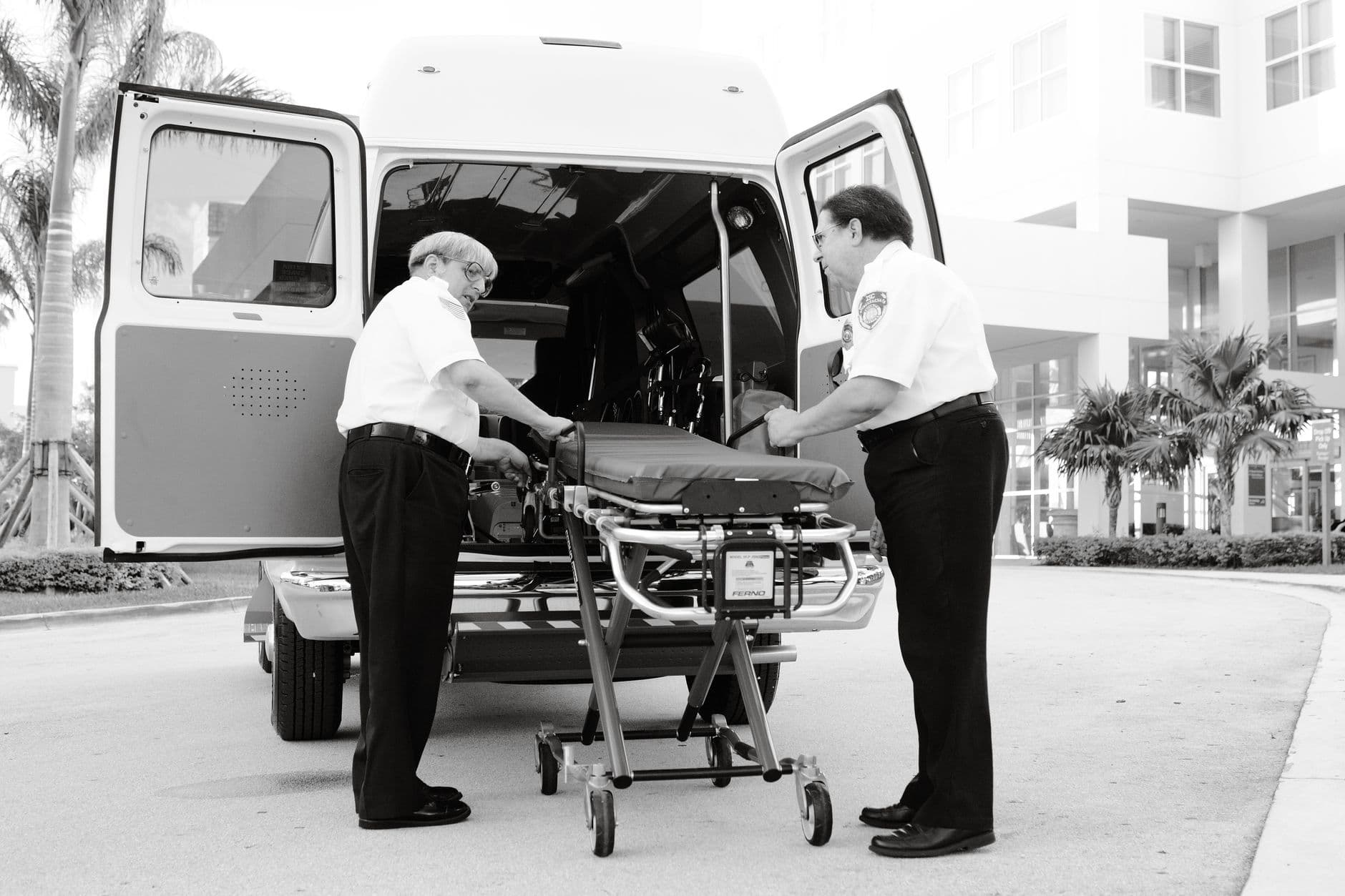

Three Doors, Three Very Different Purposes
When you or a family member feels unwell, the first decision is often the most important one: where should you go? The wrong choice can mean hours in a waiting room, a bill that is many times larger than it needed to be, or — in the other direction — a dangerous delay in care.
There are three main options for non-scheduled medical needs: your primary care doctor, an urgent care center, and the hospital emergency room. Each exists for a different purpose. Knowing which is which is one of the most useful pieces of health literacy you can have.
At Zimmer Medical Group, we want our patients to feel confident making that call. Here is how to think it through.
When to See Your Primary Care Doctor
Your primary care doctor should be your first stop for the large majority of health needs. That includes:
- Ongoing or worsening symptoms that are not an emergency (a cough that won't quit, fatigue, new aches)
- Management of chronic conditions like diabetes, high blood pressure, high cholesterol, or thyroid disease
- Prescription refills and medication questions
- Preventive care — annual physicals, screenings, and vaccines
- New but stable symptoms you want evaluated properly
- Mental health concerns such as anxiety, low mood, or sleep problems
The advantage of your primary care doctor is context. They know your history, your medications, and your baseline. That means faster, more accurate decisions and fewer unnecessary tests. Many practices, including ours, also reserve same-day and next-day slots for established patients who become ill — so "I'll just go to urgent care" is often not necessary. When in doubt, call the office first; our staff can tell you whether you should be seen, and how soon.
When Urgent Care Makes Sense
Urgent care centers fill the gap for problems that need attention within a day but are not life-threatening — particularly when your doctor's office is closed (evenings, weekends, holidays) or fully booked. Reasonable urgent care visits include:
- Minor cuts that may need stitches
- Sprains and possible simple fractures
- Fever without dangerous warning signs
- Sore throat, ear pain, urinary discomfort, or a flare of a minor infection
- Mild asthma or allergy flares
Urgent care is faster and far cheaper than the emergency room for these issues — an uncomplicated visit may run under $200, versus many hundreds or thousands of dollars for the same complaint in an ER. The trade-off: the clinician does not know you, does not have your full records, and cannot provide continuity. Whatever happens at urgent care, tell your primary care doctor afterward so it becomes part of your medical record and your ongoing plan.
When It's the Emergency Room — or 911
Some symptoms are true emergencies. Do not drive yourself, and do not wait to "see if it passes." Call 911 or go to the nearest emergency room for:
- Chest pain, pressure, or tightness — especially with shortness of breath, sweating, nausea, or pain spreading to the arm or jaw. Our guide to early warning signs of a heart attack describes the patterns that should never wait, and the American Heart Association lists both classic and atypical presentations.
- Signs of a stroke — sudden face drooping, arm weakness, or trouble speaking (remember F.A.S.T. — Face, Arm, Speech, Time to call 911)
- Difficulty breathing
- Sudden, severe headache ("the worst headache of my life"), new confusion, or fainting
- Severe abdominal pain (especially with fever or vomiting), or a severe allergic reaction (anaphylaxis)
- Uncontrolled bleeding
- A serious injury, or any injury from a high-impact accident
- Thoughts of harming yourself
If you are not sure whether chest pain is cardiac or reflux, err toward the ER — as our article on GERD vs. heart attack explains, even experienced clinicians cannot reliably tell them apart without testing. Medicare and most commercial plans cover emergency visits when a reasonable person would believe the situation was an emergency (Medicare emergency coverage details).
When minutes matter, the emergency room's job is to stabilize life-threatening problems. Cost and convenience are not the priority in those moments — getting the right care fast is.
A Quick Decision Guide
Ask yourself two questions:
- Is this life-threatening or could it cause permanent harm within hours? If yes → ER / 911.
- If not, can it wait until my primary care doctor can see me (today or in the next day or two)? If yes → primary care. If it genuinely can't wait and the office is closed → urgent care.
When you are unsure and it is not clearly an emergency, your primary care office is the best place to ask. That is exactly the kind of guidance a doctor who knows you is there to provide.
Why a Primary Care Doctor Should Be Your Home Base
People who have an established relationship with a primary care doctor use the emergency room less, catch problems earlier, and spend less overall. Your doctor becomes the hub that ties everything together — the annual checkup, the chronic-condition management, the referral to a specialist when needed, and the person who helps you decide, in the gray-area moments, where to go.
If you don't yet have that home base in the St. Petersburg area, our guide on establishing primary care after a move is a good place to start.
For a deeper explanation of the different levels of care, the U.S. Agency for Healthcare Research and Quality offers helpful patient resources on choosing where to get care.
Want a primary care doctor in St. Petersburg who can be your first call when something comes up? Request an appointment with Zimmer Medical Group or call (727) 820-7800 — new patients are welcome.


