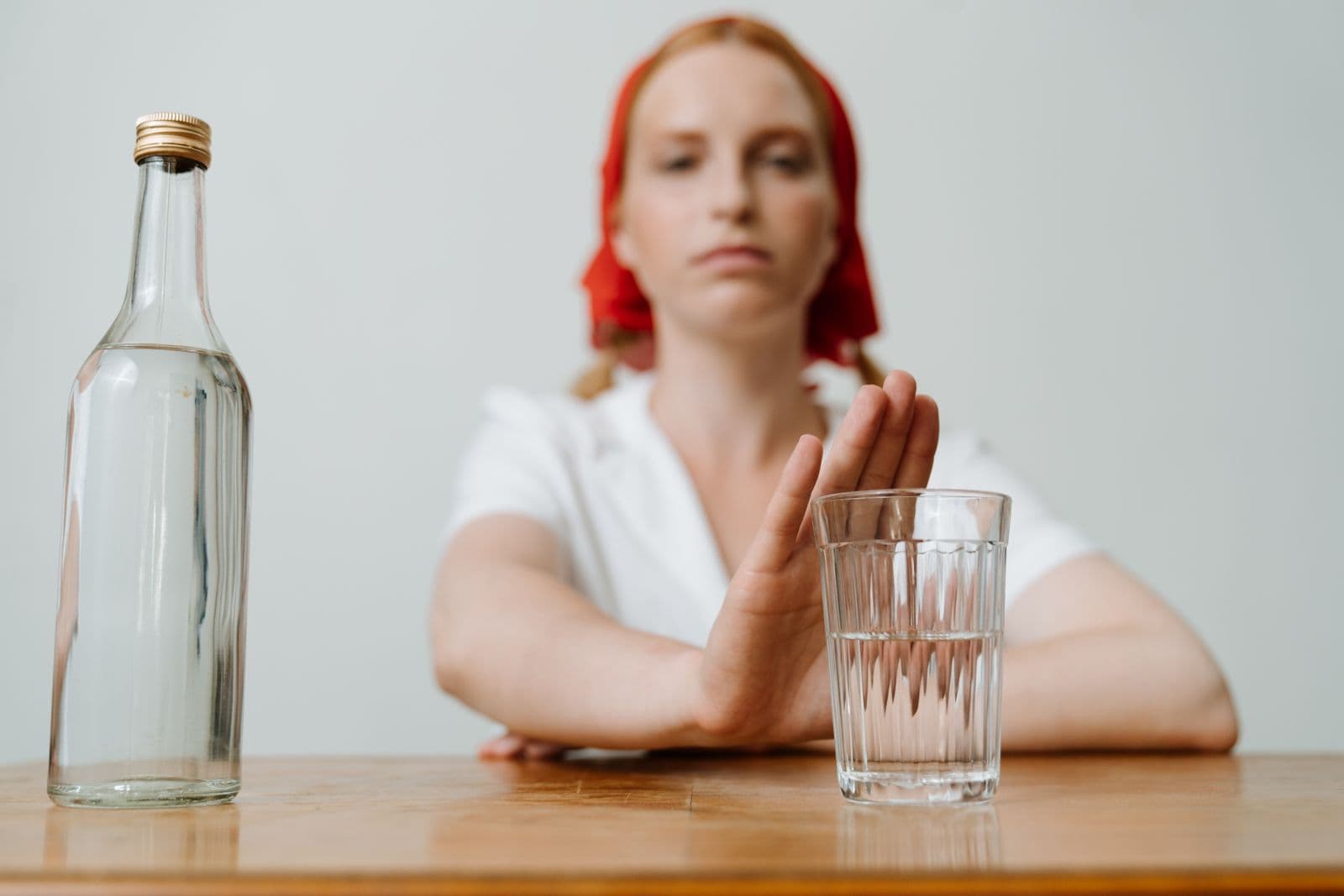

Alcohol Use Disorder: Evidence-Based Medications Beyond AA
Alcohol use disorder (AUD) is one of the most common — and most undertreated — medical conditions in the United States. More than 29 million American adults meet DSM-5 criteria for AUD, yet fewer than 10% receive any treatment, and only a small fraction are offered medication. Alcoholics Anonymous helps many people, and has for almost a century, but it is not the only tool, and for some people it is not the right one.
At Zimmer Medical Group in St. Petersburg, Dr. Michael A. Zimmer treats AUD the way we treat any chronic condition — with realistic goals, effective medications, and no stigma. Here is what the evidence supports in 2026.
First, a Word About Stigma
AUD is a medical condition, not a moral failing. The NIAAA's overview of alcohol's effects on health lays out the biology. The NIAAA Core Resource for clinicians is a reliable clinical reference, and Rethinking Drinking is an excellent self-assessment tool many of our patients find helpful before their first visit.
Goals: Abstinence Is Not the Only Win
Most modern frameworks recognize harm reduction as a legitimate goal. Many patients cut daily drinks in half, stop heavy drinking days, or reduce total consumption — and those changes substantially lower the risk of liver disease, cancer, hypertension, and injury. If abstinence is your goal, we support that. If reduced drinking is your goal, we support that too.
FDA-Approved Medications
Three medications are FDA-approved for AUD, and all three are underused in primary care.
Naltrexone
Naltrexone is often our first choice. It blocks the opioid receptors that mediate alcohol's "reward," dampening craving and reducing heavy drinking days. It works well whether your goal is reduction or abstinence, and you do not need to be abstinent to start it. Available as a daily oral tablet or a monthly intramuscular injection (Vivitrol), which simplifies adherence.
Acamprosate
Acamprosate supports abstinence after detox by modulating glutamate activity in the brain. It is dosed three times a day and cleared through the kidneys, so we adjust in renal impairment. Best for patients who have already stopped drinking and want help staying stopped.
Disulfiram
Disulfiram is the aversive option — if you drink while taking it, you feel quite ill. It works best for highly motivated patients with support at home and is contraindicated in several medical conditions. Not first-line for most, but very effective for the right person.
Off-Label Options With Good Evidence
- Topiramate — reduces heavy drinking days, but dose-limited by cognitive side effects.
- Gabapentin — modest benefit for drinking outcomes, and a real advantage for insomnia and anxiety in early recovery.
- Baclofen — particularly useful for patients with advanced liver disease where other options are limited.
Counseling Still Matters
Brief motivational interviewing, cognitive behavioral therapy, and mutual-support groups (AA, SMART Recovery, Refuge Recovery) add meaningful benefit on top of medications. The SAMHSA National Helpline (1-800-662-HELP) is free and confidential, and SAMHSA's substance use resources point you to local treatment.
Mental health conditions and AUD very often travel together. We screen for and treat major depressive disorder and generalized anxiety disorder because untreated mood and anxiety symptoms drive drinking, and drinking worsens both.
A Critical Safety Note on Withdrawal
If you drink heavily every day, do not stop abruptly without medical guidance. Alcohol withdrawal can cause seizures and delirium tremens, both of which are life-threatening. We can outline a safe taper plan, use benzodiazepines where appropriate, and arrange inpatient detox if the risk is high. Always tell your clinician the truth about how much you drink — it directly affects your safety.
Primary Care Can Start Most of This
You do not need to see a psychiatrist or addiction specialist to start naltrexone, acamprosate, or gabapentin. Primary care is the ideal place for most AUD care — familiar setting, long-term relationship, and integrated with the rest of your health. We refer to addiction medicine or psychiatry when cases are complex, when opioid use disorder also needs treatment, or when a patient needs intensive structured care.
Florida Context: The Older-Adult Picture
St. Petersburg has a large retiree population, and older-adult AUD is consistently underrecognized. Alcohol tolerance drops with age, medication interactions multiply, and social isolation is a strong driver. Our guide on how alcohol affects the body after 50 covers this in depth, and for anxiety that often coexists, our St. Pete mental health guide is a good starting point.
What the First Few Months Actually Look Like
Patients almost never ask me how the medicine works. They ask what the next three months will feel like, and whether anything will actually be different. Here is the honest version.
Before you start: labs and an honest medication review
We usually check liver enzymes, kidney function, a blood count, and often a vitamin B1 and B12 level, because heavy drinking depletes both. Liver numbers matter for choosing among the options, and they matter again as a marker of progress. The medication review is just as important. Naltrexone blocks opioid receptors, so it will block prescription opioid pain relief; anyone with a planned surgery, a dental procedure, or chronic opioid therapy needs a plan before starting, and you should tell every treating clinician you are on it. We also look for the medicines that alcohol has been quietly interacting with, including sedatives, blood thinners, and blood pressure drugs.
The first twelve weeks
The change most people notice first is not willpower; it is that the second and third drink stop calling. Cravings soften, the automatic pour gets easier to skip, and heavy drinking days drop before total abstinence does. That is a legitimate win, and it is how the medicine is supposed to work. Side effects, when they happen, are usually nausea and headache in the first week or two and usually settle. We follow up early, at a few weeks rather than a few months, because that is when people quietly stop taking it. The NIAAA Alcohol Treatment Navigator is a good tool for finding additional support to pair with the prescription.
What improves, and roughly when
Sleep is often the first thing to come back, though it can get worse for a week or two before it improves; if insomnia persists, we treat it directly rather than letting it drive you back to drinking. Blood pressure frequently falls within weeks, which is why I recheck it early in anyone with high blood pressure. Liver enzymes trend down over a few months in fatty liver disease. Palpitations and atrial fibrillation episodes tied to weekend drinking often become less frequent. And the long-term payoff is real: the National Cancer Institute's alcohol and cancer risk fact sheet lays out the link to several cancers, and risk falls after sustained reduction. Our guide to the health effects of alcohol covers the rest of the body systems involved.
Start the Conversation
If you are drinking more than you want to, more often than you want to, or someone in your life has raised it — that is reason enough to come in. There is no lecture, and no judgment. Schedule a visit with Dr. Zimmer, and we will build a plan that fits your goals, using the tools that actually work.


